
La Palma Stargazing: 14 BEST Spots and #1 Tour

Looking for the Best La Palma Stargazing Spots?
The search for the best La Palma stargazing spots on this Canary Island gem can be as vast as the night sky itself.
With its crystal-clear skies, La Palma offers an unrivaled view of the stars, but pinpointing where to go, whether to join a tour, and when to soak up the cosmic magic can feel overwhelming.
Fear not! Having spent a month in 2023 exploring the Canary Islands, with memorable nights under La Palma’s starlit sky, we’ve gathered stellar insights just for you.
From the awe-inspiring observatories to hidden spots only the locals know, we’re here to guide every traveler through this starry escapade.
With tips on when to gaze and how to make the most of this celestial show, let’s embark on this journey together. Your quest for the ultimate stargazing experience in La Palma begins here!
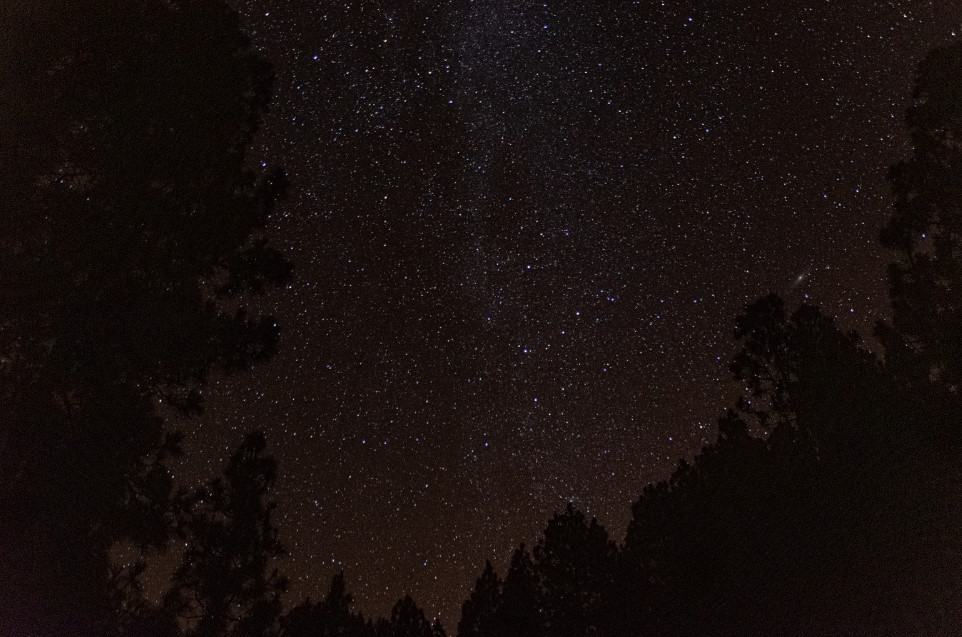
Why is La Palma Stargazing Special?
La Palma stargazing is truly special, and there are several reasons why it stands out as a premier destination for astronomy enthusiasts and casual stargazers alike:
1. Exceptional Sky Clarity
La Palma is renowned for its extraordinarily clear skies.
The island’s location in the Atlantic Ocean, far from major sources of light pollution, ensures minimal atmospheric interference. This clarity provides stunning views of the stars, planets, and other celestial bodies.
2. Dark Sky Protection
La Palma is a UNESCO Biosphere Reserve and the first Starlight Reserve in the world.
The island has strict light pollution policies to preserve the quality of its night skies, making it an ideal location for both professional and amateur astronomers.
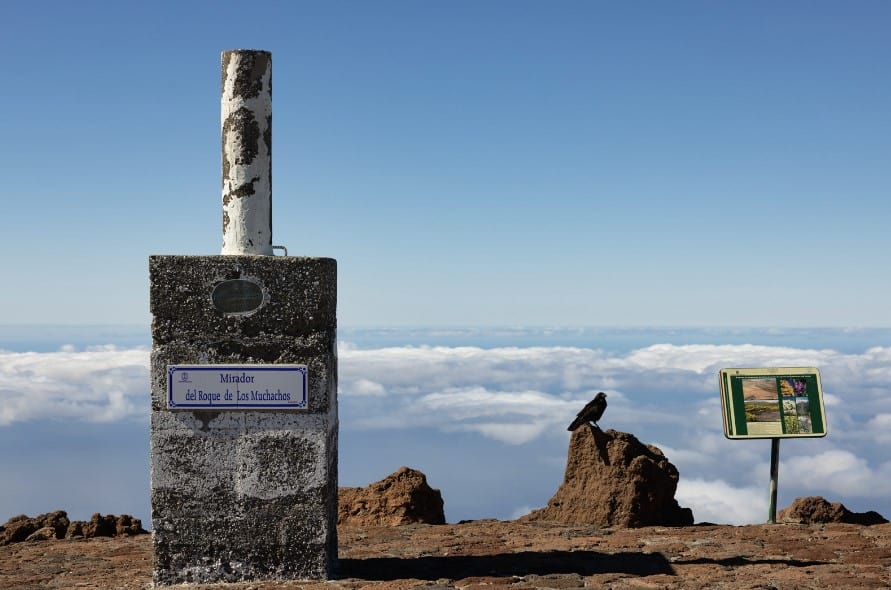
3. High Altitude Locations
The island’s topography includes high-altitude sites, like the Roque de Los Muchachos, which sits over 2,400 meters (7,874 feet) above sea level.
This elevation puts you above the majority of atmospheric disturbances, offering an unobstructed window to the cosmos.
4. Home to World-Class Observatories
The Roque de los Muchachos Observatory is home to the world-renowned La Palma Observatory and the Gran Telescopio Canarias, the largest optical-infrared telescope worldwide.
The presence of these facilities is a testament to the island’s exceptional stargazing conditions.

5. Astrotourism Focus
La Palma actively promotes astrotourism as it received recognition in 2012 as a Starlight Tourist Destination.
The island offers guided La Palma stargazing tours, astronomy festivals, and educational programs, making it accessible for everyone from seasoned astronomers to beginners.
Stargazing is one of the best things to do in La Palma when visiting.
6. Variety of Observing Sites
Beyond professional observatories, La Palma has a network of 16 astronomical viewpoints like the Miradores Astronómicos scattered across the island, each offering unique perspectives of the night sky.
7. Calm and Clear Weather
The island’s climate contributes to its stargazing appeal. The skies are often calm and clear, with minimal cloud cover, especially during the summer months.
8. Astronomical Heritage
The island’s residents have a deep respect and understanding of the sky, rooted in local culture and history, adding a rich, educational aspect to the La Palma stargazing experience.
In summary, La Palma offers a unique combination of clear, dark skies, high-altitude locations, professional observatories, and a strong commitment to preserving and celebrating its astronomical heritage.
This makes it an extraordinary destination for anyone looking to explore the wonders of the night sky.
Where is the Best La Palma Stargazing
La Palma offers plenty of fantastic spots for stargazing, but these are our favorites including some recommended by friendly locals who knew the best places to admire the night sky.
Roque de Los Muchachos
⭐️ Difficulty to Reach: Hard
📍 What Part of the Island: Center
Perched at the island’s highest point at 2,426 meters, Roque de Los Muchachos offers more than just breathtaking views; it’s a gateway to the universe.
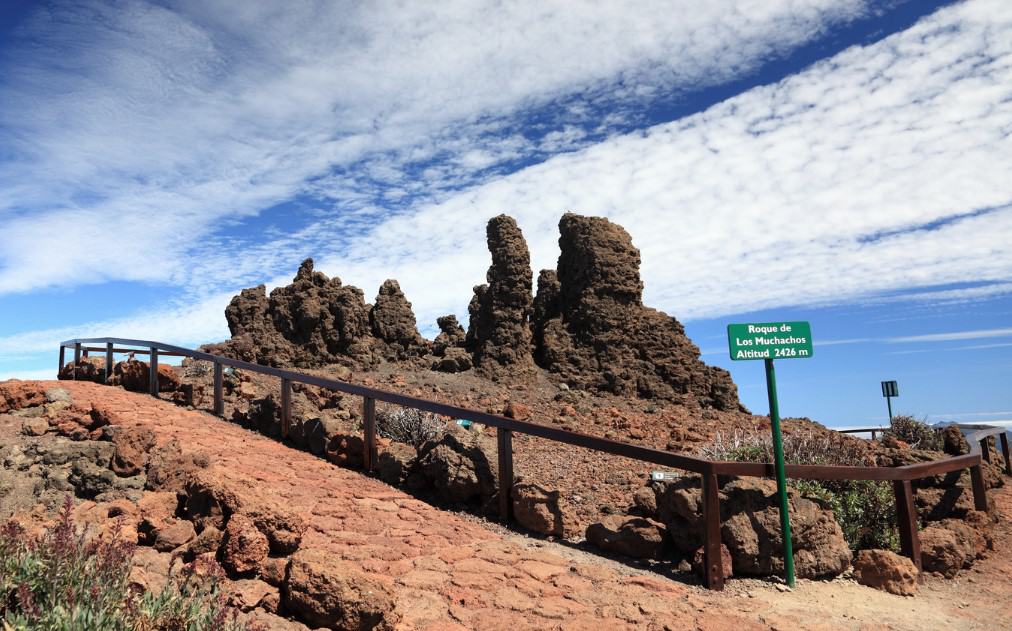
Home to one of the world’s leading observatories, this spot benefits from exceptionally clear skies.
There isn’t a lot of parking, and expect this area to be very busy for La Palma stargazing.
The absence of light pollution allows for an unrivaled stargazing experience, where the Milky Way stretches across the sky in vivid detail.
We loved this site but we do think it can be a bit dangerous to get to/from in the dark if you are unfamiliar with the mountainous areas.
Mirador Astronómico del Llano del Jable
⭐️ Difficulty to Reach: Medium
📍 What Part of the Island: Center
Perched outside of the town of El Paso, the Mirador del Llano de Jable stands at over 1,341 meters above sea level.
It is a truly majestic viewpoint by day and a gateway to the cosmos by night.
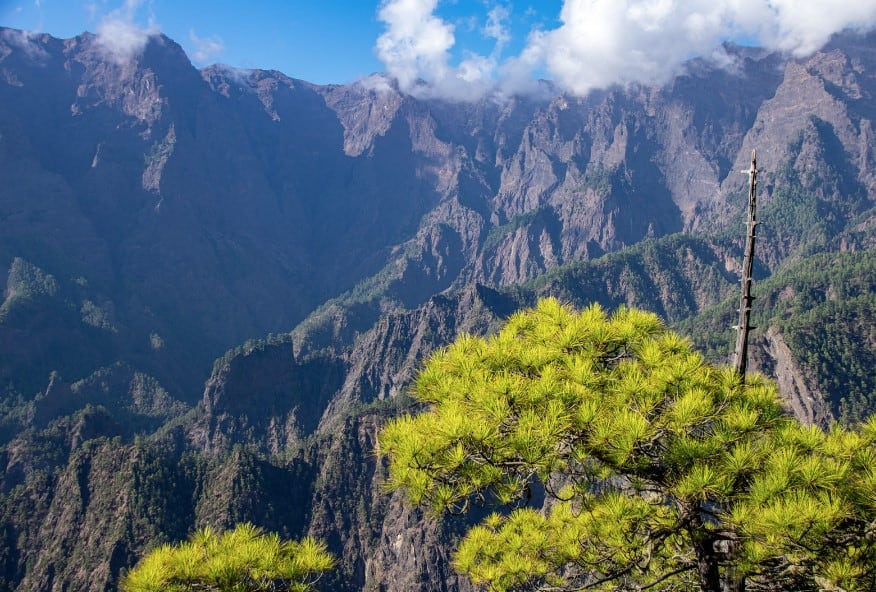
This spot, nestled within the La Palma Starlight Reserve, offers breathtaking views of the Aridane valley and the ancient Montaña Quemada volcano during the day.
Additionally, its westward gaze makes it an ideal location for spotting the constellations of Pegasus, Cassiopeia, and Andromeda, where the Great Andromeda Galaxy lies, visible to the naked eye on clear, moonless nights.
There is an information panel and plenty of parking. This spot is perfect for those looking for the “highest reward” with the least “work”.
Mirador Aeropuerto
⭐️ Difficulty to Reach: Very Easy
📍 What Part of the Island: East
For anyone staying in Santa Cruz or Los Cancajos, the Mirador Aeropuerto is a must-visit for a glimpse of La Palma stargazing.
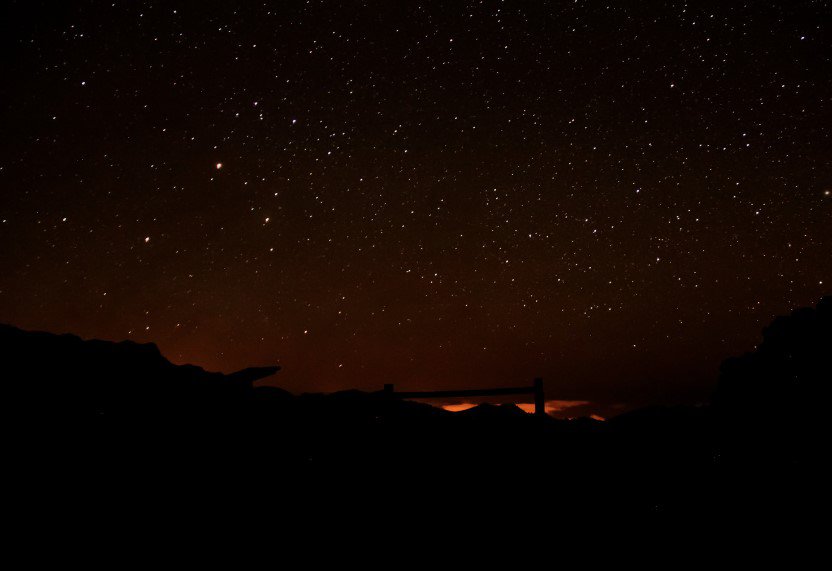
Positioned near La Palma Airport, about ten minutes from Cancajos and twenty from Santa Cruz, it offers easy access to one of the island’s most breathtaking celestial displays.
This small but impressive viewpoint combines the convenience of location with the sheer beauty of an unspoiled night sky, making it perfect for travelers short on time but eager for stellar experiences.
Mirador el Time
⭐️ Difficulty to Reach: Easy
📍 What Part of the Island: West
Mirador del Time stands out as a premier stargazing venue, offering panoramic views of the western side of La Palma and the vast Atlantic Ocean.

Positioned at an impressive altitude, it provides a clear, unobstructed view of the sky, making it an ideal spot for witnessing the Milky Way‘s splendor and other celestial phenomena.
Also, there is a bar there with delicious homemade cakes and specialty coffee to enjoy while La Palma stargazing.
Visitor Center Caldera de Taburiente
⭐️ Difficulty to Reach: Very Easy
📍 What Part of the Island: Center
At the heart of the island’s natural beauty lies the Visitor Center Caldera de Taburiente.
Situated in the middle of the island away from cities, this spot minimizes light interference, creating a dark sky sanctuary.
It is a great place to go if your accommodations are on the west side of the island in El Paso, Los Llanos, or Tazacorte, and it has a large parking lot.
During the day, the center provides educational resources that enrich the La Palma stargazing experience with scientific and cultural insights into the cosmos.
We’d recommend hiking here during the day and then enjoy a picnic dinner while you wait for the sky to darken to enjoy the La Palma stargazing here!
Pico de la Nieve
⭐️ Difficulty to Reach: Very Hard
📍 What Part of the Island: Center
Pico de la Nieve, translating to “Snow Peak,” is a high mountain spot that offers some of the best stargazing opportunities on the island.
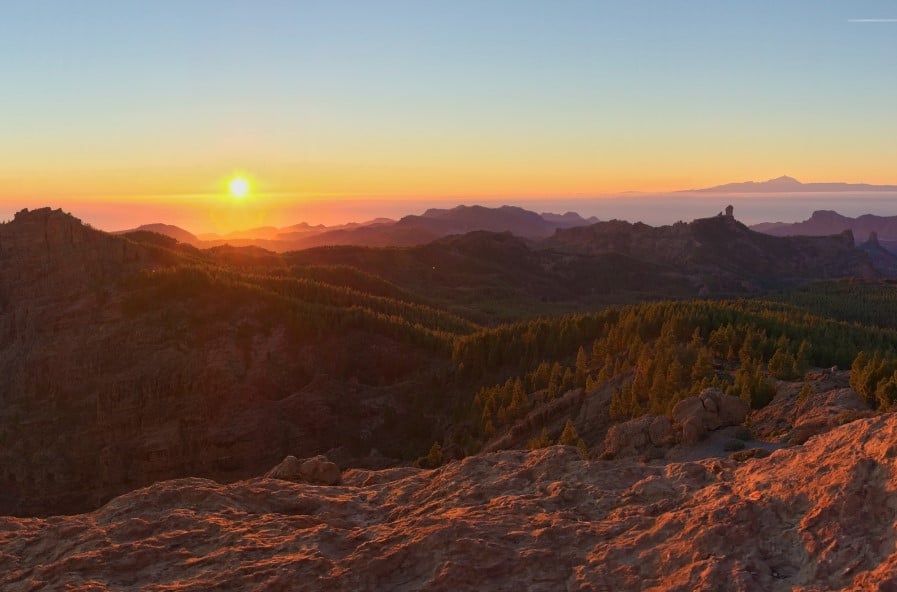
Its elevation brings you closer to the stars, offering a clear, expansive view of the night sky that is hard to match.
This location is particularly favored for its panoramic views that encompass both the celestial sphere above and the rugged landscape of La Palma below.
The journey to Pico de la Nieve is an adventure in itself with a pretty tough hike, rewarding visitors with a serene and almost otherworldly stargazing experience away from any light pollution.
Mirador de San Bartolo
⭐️ Difficulty to Reach: Easy
📍 What Part of the Island: Northeast
Nestled 439 meters above sea level on the eastern side of La Palma, the San Bartolo viewpoint offers breathtaking skyward views, easily accessible by car with good parking.
This family-friendly spot is well-equipped with parking, informational displays, star maps, and a sculpture inspired by the local Lover’s Leap legend.
As an ideal stargazing site, especially in the summer months, San Bartolo allows visitors to marvel at the night sky’s wonders, including Vega, one of the closest blue-white stars to Earth, and the small but distinct constellation of Lyra.
Mirador del Llano de Las Ventas
⭐️ Difficulty to Reach: Medium
📍 What Part of the Island: Center
This lesser-known gem, Mirador del Llano de Las Ventas, is up the road from Mirador del Llano del Jable and prized for its serene, untouched landscape.
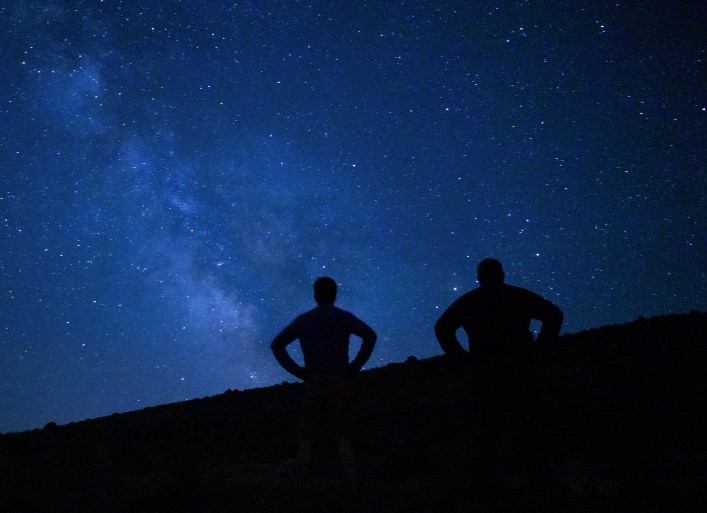
Situated in Breña Baja and perched at approximately 1,320 meters above sea level, this viewpoint has a spectacular panoramic view of La Palma’s east coast.
This viewpoint is equipped with informative signage, including a signpost directing visitors to the North Star and a map for identifying the main circumpolar constellations.
A great idea is to combine La Palma stargazing at Mirador del Llano del Jable and Mirador del Llano de Las Ventas in one night – it’s a perfect showcase of the west and east coast skies!
Mirador de Buracas
⭐️ Difficulty to Reach: Medium
📍 What Part of the Island: Northwest
Mirador de Buracas is not just a stargazing spot but a cultural journey as it is next to the Museo de Interpretación del Gofio.
The area, known for its ancient dragon trees and rock engravings, offers a unique blend of history and astronomy in the northwest part of the island. It is not close to any of the major cities in La Palma.
The clear skies and the mystical landscape make for an unforgettable night under the stars, where one can feel the ancient connection between the land and the cosmos.
Fuencaliente Lighthouse
⭐️ Difficulty to Reach: Easy
📍 What Part of the Island: South
The Fuencaliente Lighthouse, located at the southern tip of La Palma, provides a unique stargazing experience by the sea.
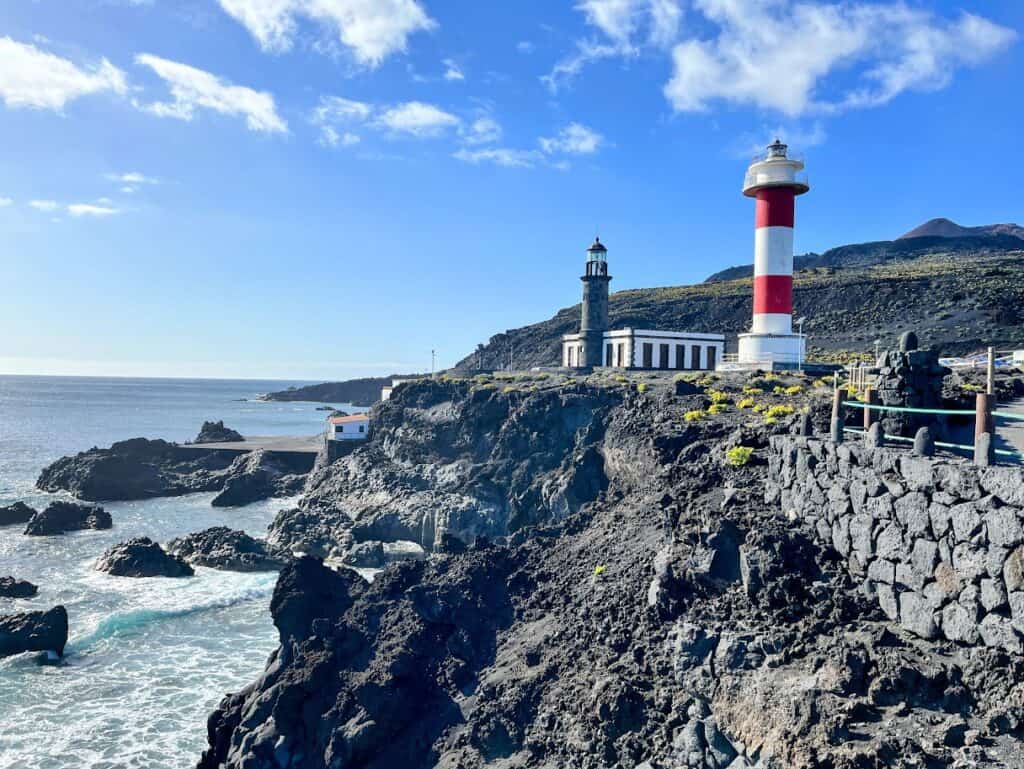
The lighthouse’s remote location ensures dark skies, ideal for observing the stars against the backdrop of the ocean’s horizon.
The contrast between the historic lighthouse, the volcanic landscape, the salt pans, and the starry sky creates a picturesque setting for night photography and peaceful stargazing.
El Paso
⭐️ Difficulty to Reach: Very Easy
📍 What Part of the Island: West
El Paso is a central hub for stargazers exploring La Palma’s night sky.

Its strategic location offers easy access to various high-altitude observing sites while providing its own clear, dark skies.
Even within El Paso village, the night sky offers a pleasant sight, but for a better view of the Milky Way, simply stroll to the village outskirts and shield your eyes from the streetlights.
Mirador Astronómico La Muralla
⭐️ Difficulty to Reach: Medium
📍 What Part of the Island: Northwest
Mirador Astronómico La Muralla, nestled in the Aguatavar neighborhood of La Palma and easily accessible via the main highway (LP-1), offers a stargazing experience as part of the La Palma Starlight Reserve.
Ideal for both sunset views and night-time celestial displays, this viewpoint also connects visitors with the rich mythology of La Palma’s pre-Hispanic inhabitants, the Awara, and features a sign for locating the North Star.
Its proximity to Restaurante La Muralla ensures that guests have amenities close at hand while exploring the cosmos.
Volcán de San Antonio
⭐️ Difficulty to Reach: Easy
📍 What Part of the Island: South
The San Antonio volcano viewpoint offers a dual experience: by day, it provides breathtaking views of the volcano’s crater and slopes, while by night, it is a good southern location for La Palma stargazing.

Designed with star observation in mind, this viewpoint features installations to track the sun’s movement at sunset, including stelae marking seasonal changes, and guides for locating Polaris, Ursa Major, and Cassiopeia.
Mirador de San Borondón
⭐️ Difficulty to Reach: Medium
📍 What Part of the Island: West
Perched on the western coast of La Palma, near Tazacorte, the San Borondón viewpoint offers a unique vantage point over the Atlantic Ocean.
It is also part of the world’s first Starlight Reserve due to its exceptional night skies and minimal light pollution.
Here, visitors can marvel at the North Star, the constellations of Cassiopeia and Cepheus, and the Milky Way’s luminous band on clear, moonless nights.
This spot features two informative panels for skywatchers. It is not the easiest to get to and it lacks parking, but you can park and walk from the port of Tazacorte.
The Best La Palma Stargazing Tour
To get the most out of your La Palma Stargazing experience, we *HIGHLY* recommend taking a tour.
Why?
- The guides take care of logistics so you don’t have to worry about driving windy, mountainous roads in the dark
- Telescopes! Unless you travel with a telescope, your La Palma stargazing experience will be confined to what you can see with your eye unless you go on a tour.
- Austronomer’s Knowledge – we love and appreciate the sky… but our knowledge of it is pretty limited. Having an astronomer explain the sky is a magical experience!
We think this La Palma stargazing tour is the best stargazing experience in La Palma!
You’ll be treated to a tranquil sunset accompanied by a glass of wine, before diving into a guided exploration of the cosmos through a state-of-the-art telescope at Roque de Los Muchachos.
We truly loved this tour and it was one of our favorite experiences in all of the Canary Islands.

In addition to the nighttime stargazing, take the tour inside the Gran Telescopio Canarias during the day. It is amazing as well to learn how all the technology works!
Tips for La Palma Stargazing
Here are our top 10 tips for La Palma Stargazing that we learned while visiting:
1 – Plan Around the Moon:
The best La Palma stargazing occurs during the new moon when the sky is darkest. Avoid full moon nights as the moonlight can outshine fainter stars.
2 – Dress Appropriately:
Even if it’s warm during the day, nights can get chilly, especially at higher altitudes. Bring layers of clothing, including a warm jacket, hat, and gloves.
3- Use Red Light Flashlights:
A red light flashlight will help you see in the dark without ruining your night vision or disturbing others’ experience.
4 – Arrive Before Sunset:
To fully appreciate the transition from day to night and let your eyes adjust to the darkness gradually, arrive at your La Palma stargazing spot before sunset.
5 – Stay Patient: It can take up to 30 minutes for your eyes to fully adapt to the dark and reveal the night sky’s wonders.
6 – Check the Weather:
Clear, cloudless skies offer the best stargazing conditions. Check the weather forecast to choose the right night for your adventure.
7 – Respect the Environment:
Stick to marked trails and areas, avoid littering, and minimize your environmental impact.
8 – Learn the Basics of Astronomy:
Familiarize yourself with some constellations and prominent stars. Apps and star maps can help you identify constellations, stars, and planets. We like the “Sky Tonight” App!
9 – Find the Hidden Gems: Some star gazing spots can get popular, which will hinder your experience. Go to the lesser-known spots to see the night sky come alive.
10 – Consider Altitude:
Some of the best La Palma stargazing spots are at higher altitudes above 1000 meters, where you are above the moisture in the atmosphere. However, be mindful of altitude sickness and acclimate accordingly.
When is the Best La Palma Stargazing
The absolute best stargazing in La Palma is typically during the summer and early fall months, from July to September.
During this period, the skies are usually clearer and the nights are warmer, offering optimal conditions for observing the stars and the Milky Way.
One of the best parts of La Palma though is that there is good stargazing year around, especially up at the Roque de los Muchachos Viewpoint! Check to see if there is a tour available during your visit.
Where to Stay for the Best La Palma Stargazing
Santa Cruz de La Palma
Santa Cruz de La Palma is the best area to stay for La Palma Stargazing.
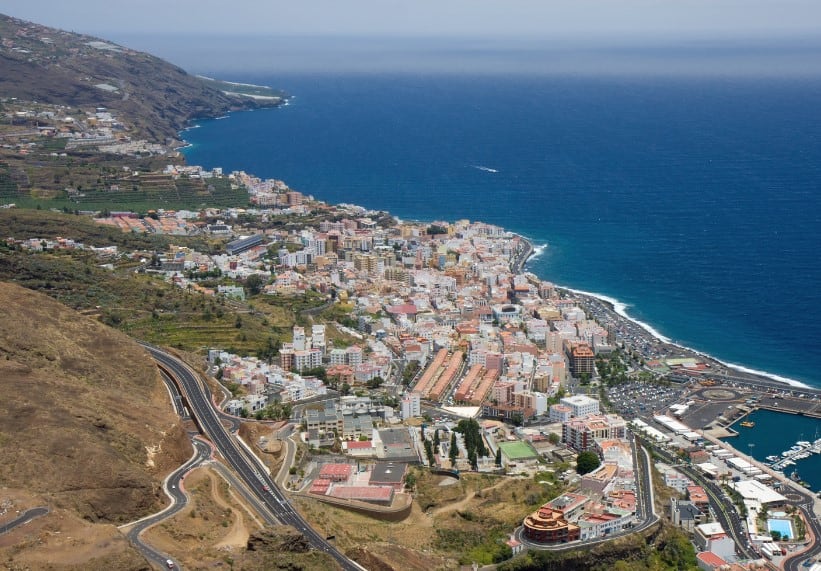
It has the best access to the amazing spots in the center of the island like the Roque de Los Muchachos and Mirador Astronómico del Llano del Jable. It is also close to the Mirador Aeropuerto.
Here are the places we recommend in Santa Cruz de La Palma:
💎 Luxury: Casa Emblemática Salgado
Casa Emblemática Salgado, located in Santa Cruz’s city center, offers rooms with city-view patios. Each unit is equipped with air conditioning, a flat-screen TV, a kitchen, and a private bathroom with modern amenities, making it a comfortable and convenient choice for travelers to La Palma.
⭐️ Moderate: Hotel Emblemático Holiday Time
Hotel Emblemático Holiday Time offers fantastic, spacious rooms and a fabulous breakfast. This charming boutique hotel is conveniently located near the harbor and features balconies with beach views.
💰 Budget: HosteLit
HosteLit provides affordable accommodations in Santa Cruz de La Palma in capsules! The capsules come with TV, chargers, and WiFi. They also provide a great breakfast after a night of La Palma stargazing.
El Paso
El Paso is also a great town to stay in for La Palma Stargazing. It is close to the Visitor Center Caldera de Taburiente and the viewpoints on the western side of the island.
You can also see the Milky Way inside the town of El Paso since the light pollution is so small.
Casa Jurado
Located in El Paso, Casa Jurado offers a delightful accommodation experience, featuring city views, complimentary WiFi, and antique furniture. This ancient and beautiful residence exudes a genuine and almost majestic ambiance.
FAQs for Best La Palma Stargazing
Is La Palma a stargazing holiday?
Absolutely, La Palma is an ideal destination for a stargazing holiday. The island was named a Starlight Tourist Destination for its exceptional night skies, recognized as a UNESCO Starlight Reserve, along with its professional observatories and commitment to dark sky preservation, make it a paradise for astronomy enthusiasts and those seeking a celestial-themed getaway.
Which Canary Island is best for stargazing?
In the Canary Islands, each island offers its unique charm for stargazing, but La Palma is widely regarded as the best island for this celestial activity.
Is there light pollution in La Palma?
La Palma has very low light pollution, thanks to strict light control laws, making it one of the best places in the world for stargazing.
Can you see the Milky Way in La Palma?
Yes, in La Palma, you can indeed see the Milky Way with remarkable clarity. The island’s dark skies and minimal light pollution create perfect conditions for viewing this stunning celestial phenomenon, especially during summer and early fall.

Can you visit the telescopes in La Palma?
Yes, you can visit the telescopes at the Roque de Los Muchachos Observatory in La Palma. Guided tours are available during the day, offering a unique opportunity to see these impressive astronomical instruments and learn about their operation.
In Conclusion: Stargazing in La Palma, Canary Islands
We hope our guide illuminates your path to the best stargazing spots in La Palma, enhancing your Canary Island adventure with unforgettable celestial spectacles.
May this journey under the stars fill your trip with wonder and your hearts with the joy of discovery!
We wish you the best travels, and don’t forget to set your “Out of Office!”
🌟 Loving our content? Support the journey and buy us a coffee! ☕️
Read More About the Canary Islands
- Are the Canary Islands Expensive to Visit? ULTIMATE Guide
- The PERFECT Day Trip to La Gomera from Tenerife
Tenerife
- Is Tenerife Worth Visiting? 20 Top Reasons Why You Should
- How Many Days in Tenerife: 3 to 10 Day GREAT Tenerife Itineraries
- 32 BEST Tenerife Tours: the #1 Tour for Each Tenerife Must-Do
- 13 BEST Theme Parks in Tenerife: Ranked
- 17 BEST Hotels in Los Cristianos
- Best 7 Tenerife Whale and Dolphin Watching Tours
- 11 BEST Tenerife Day Trips and Excursions
- How to Get to Tenerife, Canary Islands: 2025 Guide
- 17 BEST Hotels in Costa Adeje
- Mount Teide Cable Car: What to Expect + Tips
- Barranco del Infierno: Guide to this Stunning Hike
- Masca Valley: Guide to the Best Hikes, Viewpoints, Tours, & More
- Teno Rural Park (Parque Rural de Teno): ULTIMATE Guide
- 17 BEST Hotels in North Tenerife
- Santa Cruz de Tenerife Old Town: ULTIMATE Guide
- Anaga Rural Park: BEST Visitors Guide
- Getting Around Tenerife: Easiest 6 Options
- 19 BEST Hotels in South Tenerife
La Palma
- Visit La Palma, Canary Islands: A Fantastic Guide
- 30 BEST Things to Do in La Palma, Canary Islands
- The BEST La Palma Itinerary for 2025
- Is La Palma Worth Visiting? 11 Top Pros and Cons
- Where to Stay in La Palma: 6 Best Areas
- How to Get to La Palma, Canary Islands
- La Palma Stargazing: 14 BEST Spots and #1 Tour
- Getting Around La Palma: Best Options for 2025
- Los Tilos La Palma – Guide to this BEAUTIFUL Forest!
- Fuencaliente de La Palma and the Salt Pans
- Volcán San Antonio Visitor Center: 2025 Guide
- Caños de Fuego Volcanic Caves Interpretation Center
La Gomera
- 25 BEST Things to Do in La Gomera
- 16 BEST La Gomera Tours and Excursions
- 15 Best Hotels in La Gomera
- Best Hiking on La Gomera: Top 13 Hikes
- La Gomera Itinerary: GREAT 2 to 5 Day Options
- Where to Stay in La Gomera: 6 Best Areas
- How to Get to La Gomera, Canary Islands
- Getting Around La Gomera: Best Options
- Visit BEAUTIFUL Hermigua, La Gomera: 2025 Guide
- Mirador de Abrante: Everything You Need to Know to Visit
Canary Islands Travel Planning Guide
🚙💨 Is it safe to rent a car in the Canary Islands?
Yes! Renting a car is a necessity in the Canary Islands if traveling between cities! If you want to go on day trips or adventures outside of the major cities, you can use public transportation, but we recommend renting a car. Discover Cars is our go-to choice for car rentals in the Canary Islands.
📲 Will my phone work in the Canary Islands?
Maybe, but it will be expensive! Depending on your provider, plans can charge you $10 per day while in Europe. To use your phone in the Canary Islands and save money, we recommend an eSim with Airalo. Airalo simplifies the steps and provides you with all the necessary data for convenient travel. There is not a lot of free WIFI in the Canary Islands, so you’ll need your phone for navigating.
🌐 Do I need a VPN when on the internet in the Canary Islands?
While abroad, we consistently prioritize our online security by using a VPN to appear as if we’re streaming from the US and protect ourselves from cybercrime. NordVPN serves as an incredibly convenient solution for both mobile phones and laptops, effortlessly ensuring our safety while browsing or streaming.
🏩 What’s the best way to book my the Canary Islands?
Our go-to for Canary Islands hotels is Booking.com. They offer the widest range of choices, and their filtering system simplifies the process of discovering the perfect accommodation for your needs.
✈️ What’s the best site to buy flights to the Canary Islands?
For finding cheap flights to the Canary Islands, we recommend Kayak. Their awesome multi-city flight search and handy price notifications help us save big, allowing us to splurge on other adventures once we arrive. Vueling and Iberia are usually our airlines of choice to get to the Canary Islands. Air Europa and Binter Canarias are the main inter-island airlines.
🚐 Should I book tours in the Canary Islands? Do the guides speak English?
We LOVE taking tours in the Canary Islands. We prefer to book our tours on Viator and GetYourGuide for easy searching, trusted reviews, and transparent pricing. We always filter for the tours that are offered in English. For free walking tours in English, we always book through GuruWalk.
🚑 Should I buy Canary Islands travel insurance?
100% YES! Spain has a publicly funded healthcare system known as the Sistema Nacional de Salud (SNS), which provides universal healthcare coverage to all Spanish citizens and legal residents in the Canary Islands! Foreigners visiting need travel insurance in case anything happens on their visit. We recommend Safety Wing – they provide general travel coverage as well as medical!
💧Can you drink the water in the Canary Islands?
The water in the Canary Islands is safe to drink. In some rural or remote areas, or in older buildings with outdated plumbing systems, water quality might not be as high. For an extra layer of protection, we recommend always using a LifeStraw Go Series to stay safe and hydrated.
🎫 Do I need a visa for the Canary Islands?
Likely Not! US passport holders don’t need Spanish visas for travel less than 3 months. If you plan to stay for more than 3 months, you will be considered a resident and must have an entrance visa.
