
Best Hiking on La Gomera: Top 13 Hikes

Are you looking for the best La Gomera hikes?
Embarking on some La Gomera hikes means stepping into a world of breathtaking landscapes and untouched natural beauty.
With over 600 kilometers of paths weaving through the island, it can be overwhelming to pick the perfect hike.
That’s where we step in! After a month-long exploration of the Canary Islands, including La Gomera’s rugged terrain, we’ve curated a list of the top 13 hikes that are a must for your itinerary.
From the lengths and durations to the starting points and difficulty levels, we’ve got you covered on the best La Gomera hikes.
One of the best parts about this article is that we have taken the guesswork out of your planning; for each hike, we provide pinpointed Google Maps locations for parking, ensuring you start your La Gomera hiking adventure on the right foot.
Whether you’re a seasoned hiker or a family with children, our insights, drawn from talking to locals and our own experiences, will guide you to the best La Gomera trails.
So, let’s journey together through Garajonay National Park and beyond, where your next great La Gomera hikes await!

Best Hiking on La Gomera Overview
We’ve outlined all the details of our top 13 recommended hikes on La Gomera below but before we dive into each one, we broke down the #1 hike we would recommend based on some categories that may apply to you!
If you click the link on the recommended hike, you’ll jump to the hike details!
| Category | #1 Recommended Hike |
|---|---|
| 👨👩👧👦 Best La Gomera Hike for Families | Ruta 10: Cañada de Jorge |
| ⛰ Hike to the Highest Point | Ruta 7: Alto de Garajonay |
| 🌲Best Forest Walk | Ruta 18: Circular Garajonay |
| 🌋 Best View of Mount Teide | Casas de Cuevas Blancas |
| 🌊 Best Coastal Views | Ruta Circular Vallehermoso |
| 🚐 Best La Gomera Hiking Tour | Hiking in the Garajonay Tour |
| 🏨 Best Hotel for La Gomera Hiking | Hotel Rural Casa Los Herrera |
Top La Gomera Hikes
We are excited to provide you with the top hikes in La Gomera below.
We find it incredibly hard to rank the hikes, they are all SO AMAZING!
So instead of how much we enjoyed them, we have ranked them by difficulty, starting with the easiest first and working our way to the hardest.
Ruta 10: Cañada de Jorge
🚶 Length: 3 km (1.9 miles)
⏱ Time: 45 minutes
🥾 Route type: Loop
📍Location on La Gomera: Center in Garajonay National Park
💪Difficulty: Easy
The Ruta 10 Cañada de Jorge in La Gomera offers a delightful circular walk ideal for families and children, due to its manageable distance and gentle elevation changes.
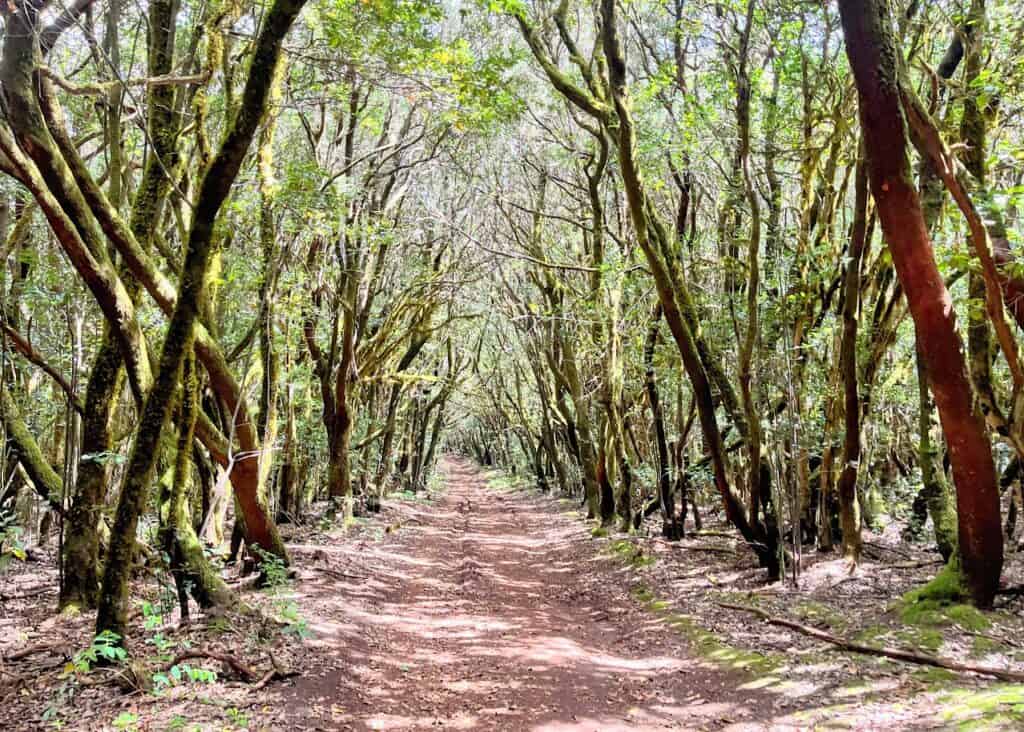
This route, nestled within the Garajonay National Park, meanders through the enchanting Laurisilva forest, presenting a very easy and enjoyable stroll.
💡 The trails inside the Garajonay National Park are numbered Ruta (Route) 1-18.
We recommend hiking clockwise from the parking area for the optimal experience. While the initial descent may be steep, the ascent towards the end is more gradual, making it accessible even for young adventurers.
We thoroughly enjoyed walking through this lush tropical forest that offers a truly magical experience.
Ruta 5: Las Creces
🚶 Length: 3.2 km (2.0 miles)
⏱ Time: 1 hour
🥾 Route type: Loops
📍Location on La Gomera: Center in Garajonay National Park
💪Difficulty: Easy
Ruta 5 Las Creces in La Gomera offers a splendid 2-mile hike suitable for all skill levels, featuring a journey through enchanting “fayal” – heathland and ancient laurel forests.
This trail is decorated with the vibrant hues of Canary geraniums in spring, creating a picturesque site beneath the trees, and reveals the historical significance of the island’s water channels, once vital for local communities.

A quaint recreational area by the parking provides the perfect spot for a picnic, making it a popular choice among locals, especially on weekends and summer days.
For those seeking a scenic detour, a short walk to Las Hayas presents a wonderful view and a charming restaurant, Restaurante Casa Efigenia La Montaña, where you can enjoy refreshing orange juice or a delightful cortado (espresso and milk).
Ruta 7: Alto de Garajonay
🚶 Length: 2.6 km (1.6 miles)
⏱ Time: 1 hour
🥾 Route type: Loop
📍Location on La Gomera: Center in Garajonay National Park
💪Difficulty: Moderate
The Alto de Garajonay hike, known as Ruta 7 El Contadero – Alto de Garajonay, offers an accessible journey to La Gomera’s highest peak.
This moderate, 1.6-mile route, approximately an hour’s walk, starts at the parking lot at El Contadero and leads to unparalleled panoramic views across the island’s forested landscape, with distant silhouettes of El Hierro, La Palma, and Tenerife on the horizon.
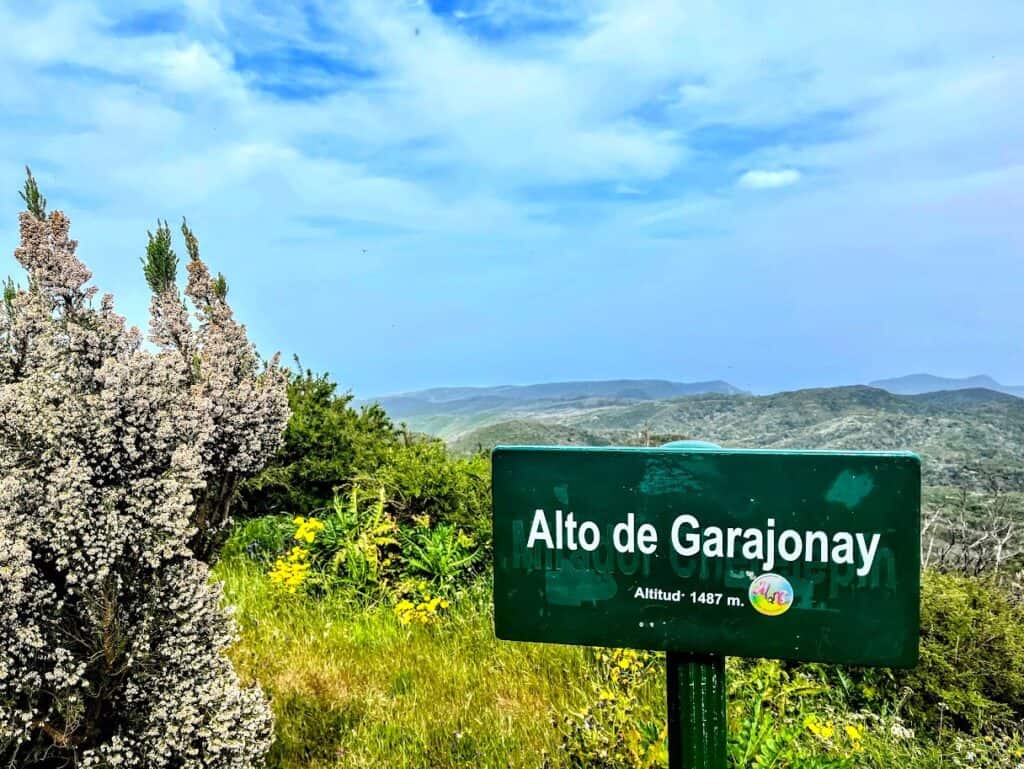
The summit, standing at 1,487 meters, was a significant ceremonial and religious site for the island’s original settlers, and features archaeological sites now open for public exploration.
This area was impacted by a major forest fire in 2012 and the trail provides the opportunity to witness the resilient recovery of the myrtle heath vegetation, dominated by heather and faya.
Along the hike, you can engage with the landscape’s history and natural recovery through a series of interpretative stops, part of the park’s free audio tour.
Opting for a clear, non-cloudy day made our experience amazing as we made our way through the Parque Nacional de Garajonay.
💡 You can also reach Alto de Garajony with a longer 10km (6.2 miles) hike from Laguna Grande.
Ruta 16: Pajarito to Lajugal
🚶 Length: 7.6 km (4.7 miles)
⏱ Time: 2-3 hours
🥾 Route type: Loop
📍Location on La Gomera: Center in Garajonay National Park
💪Difficulty: Moderate
The Ruta 16 Pajarito to Lajugal hike, stretching 7.6 km along the southern slope of Garajonay National Park, starts at the parking area at Cruce de Pajarito.
This trail, revealing the hard work of vegetation restoration programs, winds through young fayalbrezal forests, previously covered by pines, showcasing the island’s dedication to ecological recovery.

As it skirts the central plateau’s edge, hikers are treated to stunning views of the erosive calderas of Benchijigua and Imada, with the trail’s high vantage points also offering spectacular panoramas of Tenerife and El Teide, as well as El Hierro.
Despite its beauty and being suitable for families, this wasn’t our favorite hike on the island due to the lack of shade. Be sure to have a hat and plenty of water!
Barranco de Arure
🚶 Length: 3.5 km (2.2 miles)
⏱ Time: 2-3 hours
🥾 Route type: Out and back
📍Location: West
💪Difficulty: Challenging
The Barranco de Arure hike in La Gomera captivates with its journey through a stunning ravine, stretching over 2.2 miles.
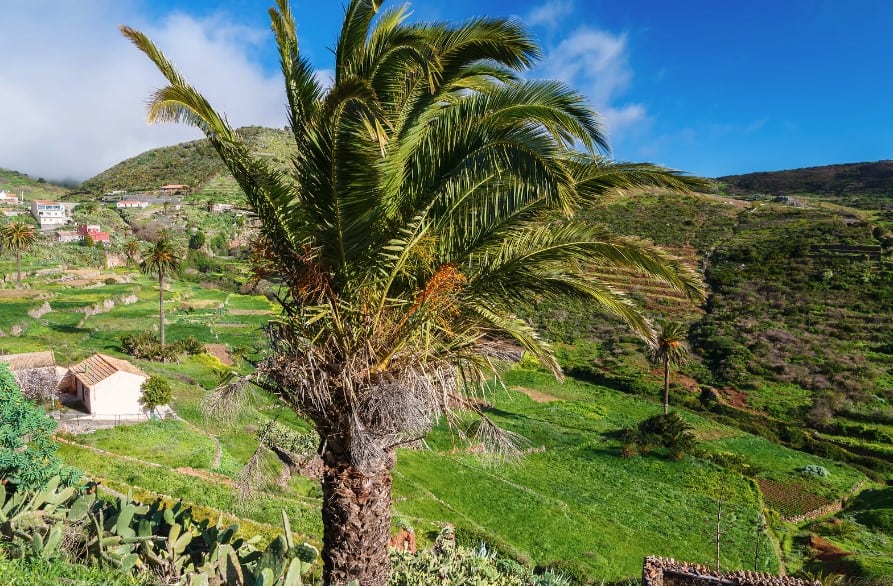
This trail showcases the island’s beauty, from ancient terraces and lush palm groves to the quaint village of El Guro, before descending past small waterfalls towards the captivating Salto de Agua or Cascada de Arure.
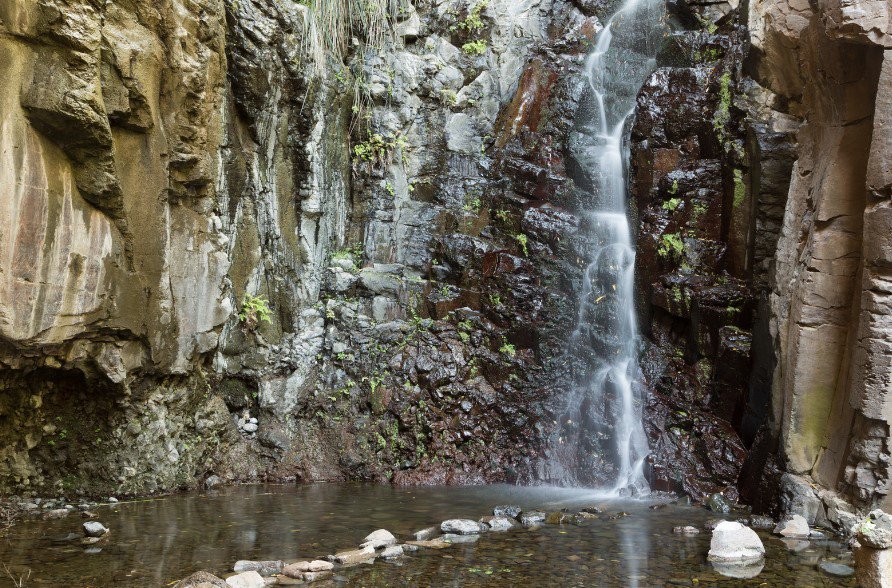
Given the trail’s potential for wet conditions, we recommend very good footwear with waterproof boots being the best for a comfortable experience. Due to its challenging nature, we do not recommend this La Gomera hike for young children.
There is a parking lot at the bottom of Casa de la Seda, followed by a series of steps through the neighborhood, leading into a narrow passage with streams and small waterfalls.
The path has ropes for assistance and small improvised bridges to cross the water, ending at Salto de Agua, where you can have a picnic and then turn back.
Mirador de la Laja
🚶 Length: 7.9 km (4.9 miles)
⏱ Time: 3-5 hours
🥾 Route type: Out and back
📍Location on La Gomera: Center in Garajonay National Park
💪Difficulty: Challenging
The PR LG 17 Mirador de la Laja hike in La Gomera is a 4.9-mile loop trail that treats hikers to an array of spectacular views, including the imposing Agando rock and its four companions, Las Lajas, La Zarcita, Carmona, and Ojila.

Despite the steep ascent, the trail is well-maintained, featuring numerous rocks and steps that facilitate a manageable walk. Plus, there are breathtaking sights of the Barranco, Tenerife, and the majestic Los Roques throughout the hike.
The journey begins from the main road, leading adventurers along an ancient path to La Laja, then onward to the Roques Refuge, with a convenient parking area at Mirador Degollada de Peraza.
As the trail concludes, the last 3 km offers an easy stroll back, with lovely views of Mount Teide on Tenerife. If you’re lucky, you may spot wild sheep!
For an easier hike to get to the view of Los Roques, probably the most monumental set of volcanic pythons in the Canary Islands, take this 1.7 mile out and back trail.
Ruta Circular Vallehermoso
🚶 Length: 13.5 km (8.4 miles)
⏱ Time: 4-6 hours
🥾 Route type: Loop
📍Location on La Gomera: North
💪Difficulty: Hard
The Ruta Circular Vallehermoso is a captivating loop hike located in the northern region of La Gomera, Canary Islands, offering a delightful blend of diverse terrains, breathtaking views, and abundant natural beauty.
Spanning “route 04”, which aligns with the PR LG 10 trail, this hike launches from Vallehermoso, guiding adventurers through the scenic Barranco de la Era Nueva ravine, and past historic sites like the Ermita de Santa Clara and the Ermita del Coromoto.

We recommend taking the trail clockwise from this parking area, as it presents a very steep initial ascent, which is more manageable than doing it counterclockwise. However, still be prepared for a challenging descent on pebble gravel.
Despite some sections of the trail being poorly marked (we recommend having the trail details downloaded), the rewards are immense, including potential views of La Palma and Tenerife on clear days.
The route offers minimal shade and carrying hiking poles is recommended for additional support.
Roque de Ojila
🚶 Length: 8.7 km (5.4 miles)
⏱ Time: 4-6 hours
🥾 Route type: Loop
📍Location on La Gomera: Center in Garajonay National Park
💪Difficulty: Hard
The Roque de Ojila hike in La Gomera offers a splendid 5.4-mile loop that unveils the island’s rugged beauty, capable of being completed in a half day when kicked off early from this parking area.
Roque de Ojila is one of the most impressive Los Roques, a collection of striking rock formations that punctuate the landscape with their majestic presence.
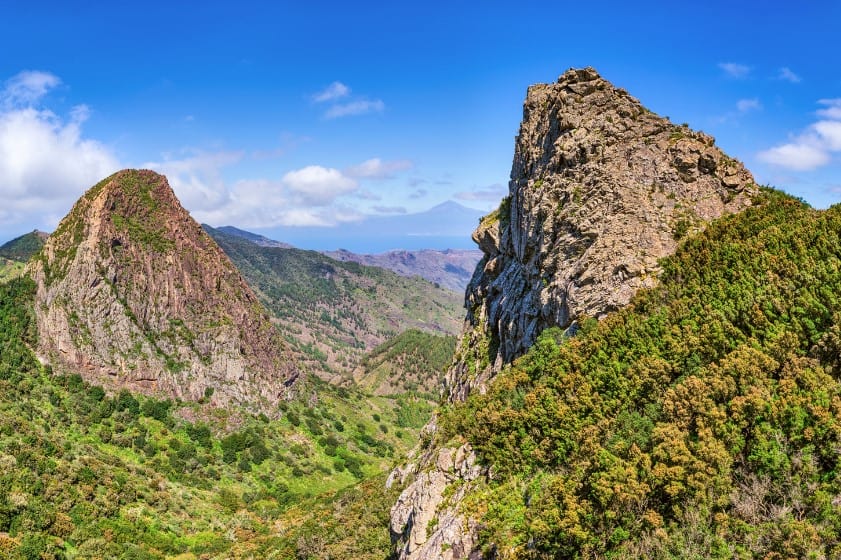
This counterclockwise trail curves through the quaint village of La Laja, introducing hikers to a slice of local charm before ascending the rocks.
The climb, stretching over 2 kilometers from La Laja, is a steady challenge that rewards with breathtaking views of the Roque de Ojila.
Guided by cairns, you are assured a well-marked journey, especially rewarding on a clear day when the vistas are unparalleled in their beauty.
Ruta 18: Circular Garajonay
🚶 Length: 14.3 km (8.9 miles)
⏱ Time: 4-6 hours
🥾 Route type: Loop
📍Location on La Gomera: Center in Garajonay National Park
💪Difficulty: Hard
The Ruta 18 Circular Garajonay hike in La Gomera spans 8.9 miles through the breathtaking landscapes of Garajonay National Park, offering nature enthusiasts a splendid way to soak in the island’s natural beauty.
Starting from the the parking area at Cruce de Pajarito, the trail winds through the enchanting laurel forests to El Cedro, where hikers can enjoy a lunch break at the local café or packed lunch in the picnic area.
Along the return path through the Roques de Ojila, hikers are treated to a vibrant display of flora and encounters with charming magpie-robins.

The route also features a visit to the Ermita de Lourdes, a small chapel nestled in a picturesque setting.
If you would like to visit the Ermita de Lourdes on a shorter path, there is a different trail that begins only a little over 1km away from the chapel at Aula Naturaleza.
Ermita de San Juan
🚶 Length: 10.6 km (6.6 miles)
⏱ Time: 4-6 hours
🥾 Route type: Loop
📍Location on La Gomera: Northeast
💪Difficulty: Hard
The Ermita de San Juan hike in La Gomera is a captivating 6.6-mile loop trail that starts from a parking area adjacent to the Mirador de San Juan, offering diverse landscapes including forest paths, urban streets, pebbled tracks, and numerous stairs.
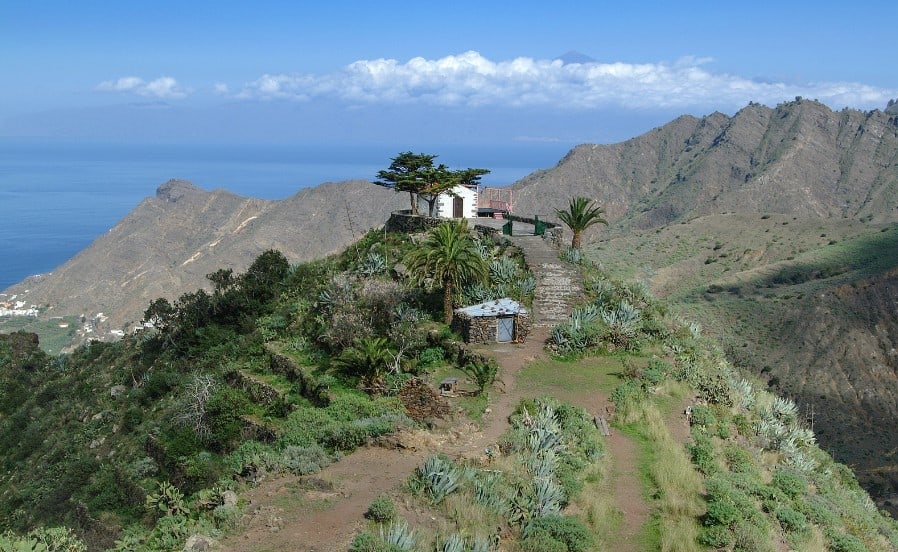
While the trail provides stunning views, sections can be overgrown, making long pants and sleeves a good idea for protection.
Navigation can be tricky due to some poorly marked segments, so carrying a GPS for guidance is recommended.
Along the route, we encountered a unique tunnel near the top of El Cedro, although it was very muddy, so we will have to come back to try again.
Mirador de Agulo
🚶 Length: 10.1 km (6.3 miles)
⏱ Time: 3-5 hours
🥾 Route type: Loop
📍Location on La Gomera: Northeast
💪Difficulty: Hard
The Mirador de Agulo hike is a 6.3-mile loop trail offering a captivating route on the outskirts of Agulo.
Starting from the parking lot next to the Iglesia de San Marcos Evangelista, the trail ascends steeply, presenting a challenging climb with potential rock falls.
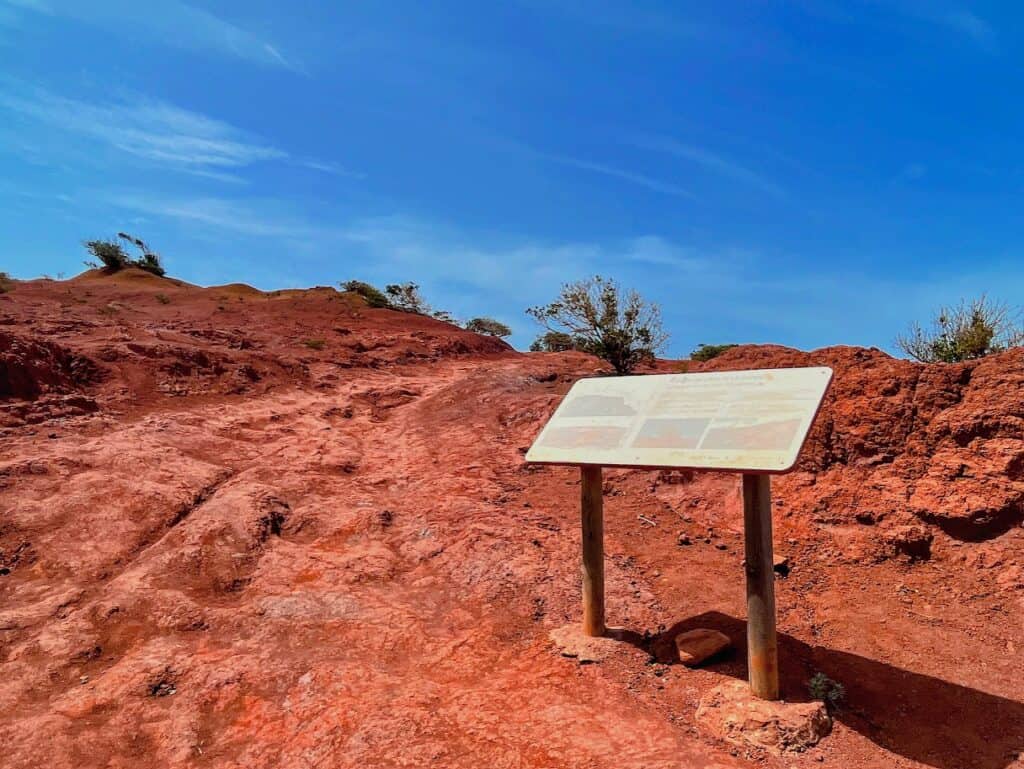
The distinctive red soil found in the northeast of La Gomera is a result of the island’s volcanic origins, forming colorful trails that offer a striking contrast to the lush greenery during hikes.
Along the way, you will not only pass the Mirador de Agulo, but also other notable landmarks such as the Embalse de Agulo (reservoir), before reaching the scenic CV-5 near the Juego de Bolas restaurant and Garajonay National Park Visitor Center.
For an extended experience, we added the Mirador de Abrante to our hike. This viewpoint rewards you with stunning views of Agulo through its unique see-through glass structure.
Riscos de La Mérica
🚶 Length: 15 km (9.3 miles)
⏱ Time: 5-7 hours
🥾 Route type: Out and Back
📍Location on La Gomera: West
💪Difficulty: Hard
The Riscos de La Mérica hike, a captivating 9.3-mile trail near Valle Gran Rey in La Gomera, offers hikers a unique blend of natural beauty and historical insight.
Starting from La Calera is recommended for convenient parking, but you can also start from Arure.

Ascending 700 meters above the coast, this trail is defined by its dramatic basaltic cliffs and the xerophytic scrub that are on them, including species like balo, cerrillo, and dama.
These cliffs served as a navigational aid to sailors in the past, with their profile visible from afar at sea.
Along the hike, you can explore remnants of the valley’s agricultural and lime industry history, including old lime kilns and farming structures.

While the trail offers spectacular views and easy walking, we recommend avoiding it on windy days due to fine dust.
Given the trail’s exposure, carrying a hat and plenty of water is essential, especially in the summer when crossing the vast plateau in the hike’s second half, where shade is scarce.
Casas de Cuevas Blancas
🚶 Length: 13 km (8.1 miles)
⏱ Time: 4-6 hours
🥾 Route type: Loop
📍Location on La Gomera: East
💪Difficulty: Hard
Ruta 31 Casas de Cuevas Blancas presents an 8.1-mile loop trail, standing as the closest hike to San Sebastián featured on our list.
This route offers a unique glimpse into the village of Cuevas Blancas, notable for its ancestral houses and numerous caves, set amidst lush vegetation and offering stunning views of Teide and the Atlantic Ocean.

The trail ascends towards Era de Peña on a well-maintained path that, while rewarding, is not recommended for those with vertigo due to its heights and steep sections.
Conveniently, hikers can find parking at Las Casetas, making access to this breathtaking and culturally rich hike straightforward.
La Gomera Hiking Tours
While we love hiking on our own, taking a La Gomera Hiking tour really helps bring the landscape to life! The guides are fanstastic and share details about the land and the culture you wouldn’t otherwise find out.
These are our recommendation for La Gomera Hiking Tours:
Hiking in the Garajonay Tour
Gear up for a private half-day hike in La Gomera’s Garajonay National Park. This 4-hour and 30-minute trek, led by a local guide, unveils hidden trails and the island’s lush subtropical beauty while delving into La Gomera’s rich history.
The convenience of hotel pickup is especially great because it eliminates the need to locate the starting point, which is usually San Sebastián for most tours.

Your guide, Juan, is flexible with stops for those perfect photo opportunities, ensuring that you capture the essence of Garajonay’s picturesque landscapes at your leisure.
Hamlets of the North Hiking Route Tour
Embark on the “Hamlets of the North Hiking Route Tour” and uncover the serene beauty of La Gomera’s northern reaches.
This 5.5-hour guided journey begins at San Sebastián de La Gomera, leading adventurers through tranquil hamlets nestled within the lush expanses of Garajonay National Park.
Marvel at the Canarian laurel forest’s diverse flora and the quaint charm of northern mansions.
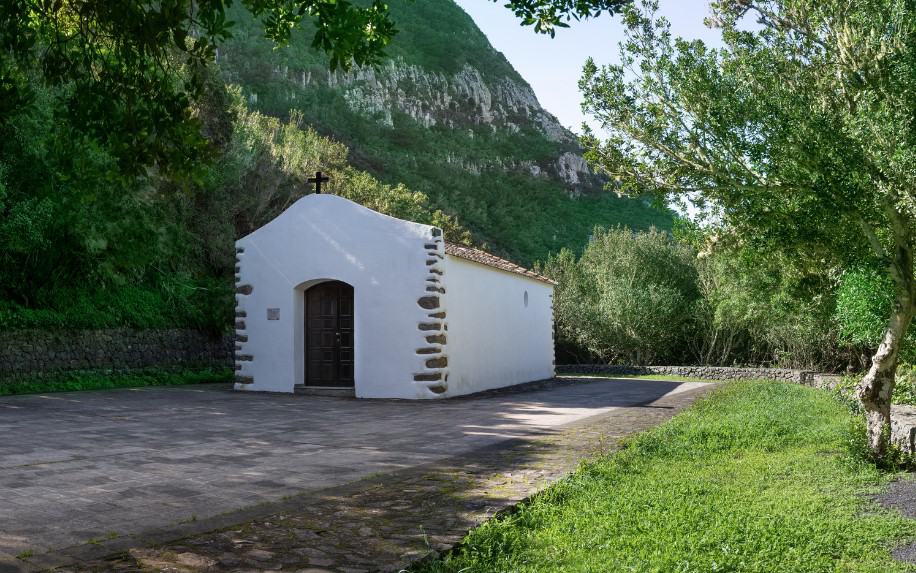
From the hamlet of Los Acevinos to the historic Hermitage of San Isidro in La Palmita, experience a blend of natural splendor and cultural heritage, all while escaping the city’s hustle for the tranquility of untouched landscapes.
Garajonay National Park Forest Walk
Embark on the Garajonay National Park Forest Walk to discover the enchanting laurel forest of La Gomera.
This 5-hour guided journey weaves through ancient trees and marvel at the stunning views of Vallehermoso valley and Mt. Teide.
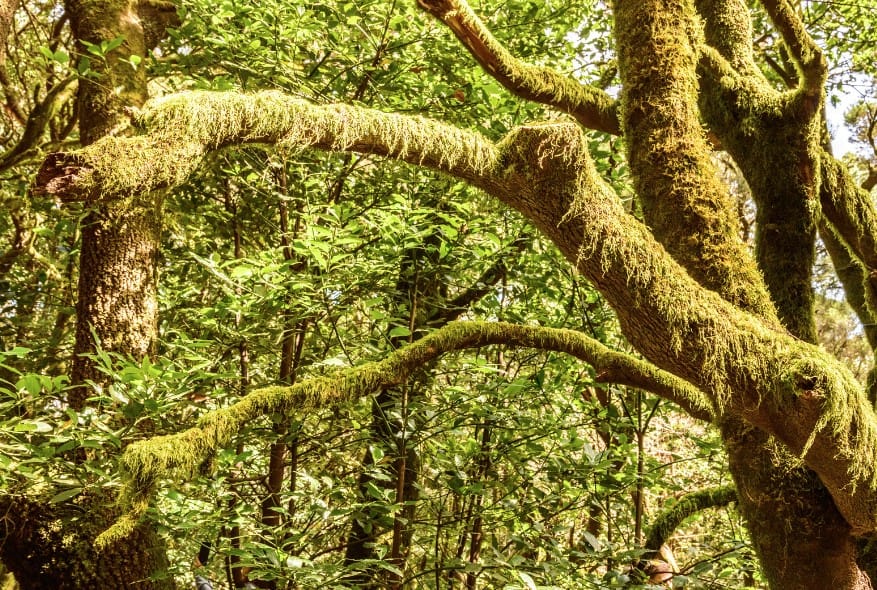
It’s a step back in time within this mystical forest, breathing in the fresh air and soaking up the serene atmosphere.
Starting from San Sebastián, the adventure leads you through nature’s own pharmacy. We loved learning about how the island’s flora has been used for centuries for medicinal purposes.
Laurisilva of Garajonay National Park
Discover the enchanting Laurisilva (another name for Laurel forest) of Garajonay National Park on a 5-hour guided hiking adventure.
Covering a distance of 10 kilometers (6.2 miles), this tour offers a chance to explore the mystical laurel forests, shrouded in mists from the trade winds.
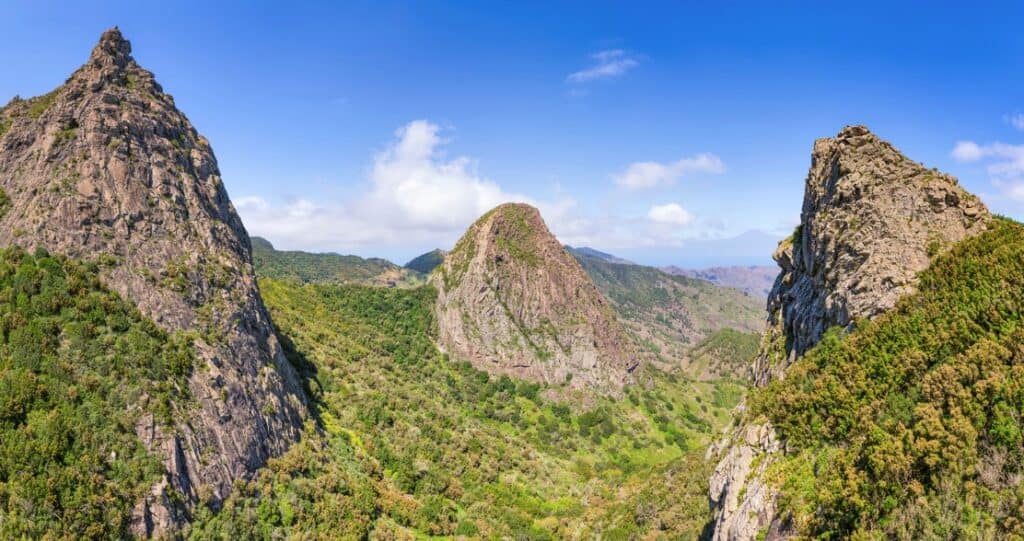
Starting from the San Sebastian bus station, where you’ll meet your guide and drive to the park’s entrance near Roque Agando.
The tour includes breathtaking views from Los Roques, ancient volcanic pitons, a walk through the lush, ancient forest to the village of El Cedro, and ends with panoramic vistas of the Hermigua valley.
Along the way, learn about the unique flora and fauna inhabiting this UNESCO World Heritage site, all while soaking up the tranquil atmosphere under towering trees.
Where to Stay for La Gomera Hiking
When you’re plotting your hiking escapades on La Gomera, picking the right base is crucial.
Hermigua
Hermigua, a charming town etched in the lush green valleys of the northeast, is a prime spot. Not only is it steeped in natural beauty, but it’s also conveniently close to some of the island’s best trails.
The Ermita de San Juan and Mirador de Agulo hikes are just around the corner, and the splendors of Garajonay National Park are less than 30 minutes away.

Nestled in the heart of Hermigua, Hotel Rural Casa Los Herrera is the perfect home away from home. The rooms radiate comfort, and the breakfast? Simply phenomenal. We LOVED our stay here.
Valle Gran Rey
On the sunnier side of the island lies Valle Gran Rey, a coastal haven that’s perfect for those looking to blend hiking with a bit of seaside relaxation.
Close to the awe-inspiring Riscos de La Mérica hike and the enchanting Barranco de Arure trail, Valle Gran Rey is a hub for adventurers. It’s also the best place to take a whale-watching tour!
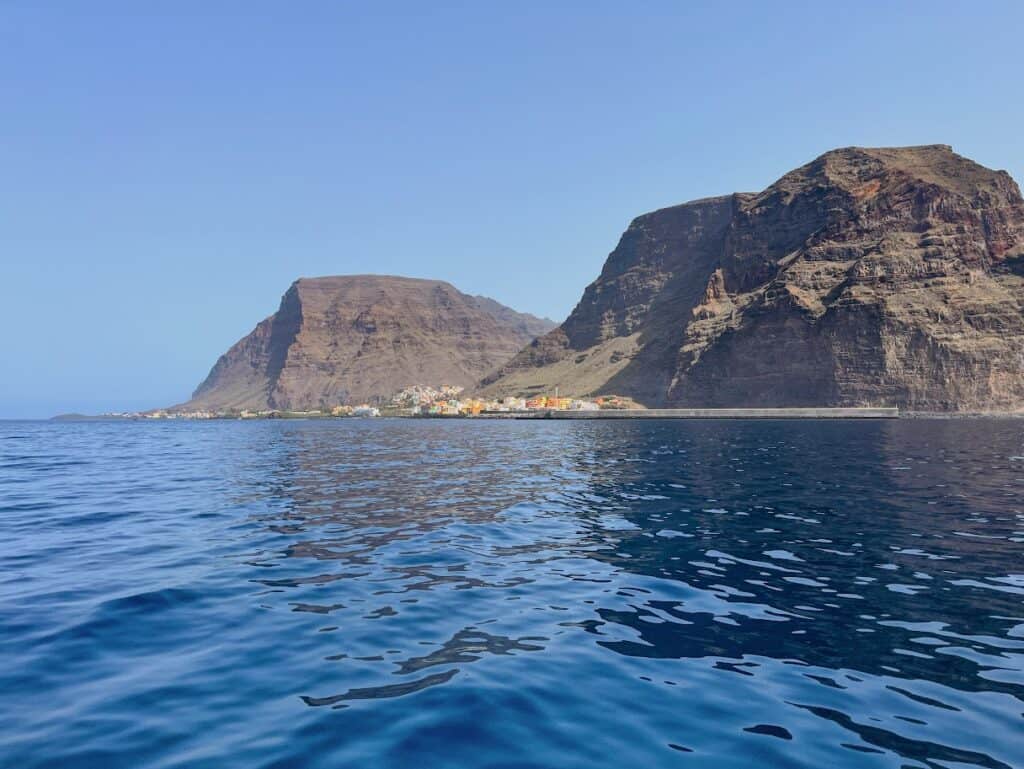
After a day on the trails, you can retreat to Hotel Gran Rey. Located on La Puntilla’s bustling beachfront promenade, this haven offers two outdoor pools and a duo of restaurants to satisfy your culinary cravings.
Plus, Garajonay’s lush landscapes are just a breezy drive away.
FAQs for La Gomera Hikes
Where is the best base for hiking in La Gomera?
Valle Gran Rey and Hermigua in La Gomera are fantastic bases for hiking enthusiasts. They have breathtaking landscapes and variety of trails cater to all levels, making it a top choice for adventurers looking to explore the island’s natural beauty.
Is La Gomera good for walking?
La Gomera is a walker’s paradise, particularly famous for the scenic trails in Garajonay National Park. While trekking across the entire island might be challenging, the variety and beauty of the hikes are sure to captivate any walking enthusiast.

How do you get around La Gomera without a car?
Exploring La Gomera without a car can be accomplished with its public bus service, connecting key towns and attractions.
For a closer touch with nature, hiking and cycling are fantastic choices, offering scenic routes through the island’s stunning landscapes.
What is the main town in La Gomera?
San Sebastián is the main town and capital of La Gomera, serving as the island’s administrative and commercial center. It’s also the primary port, connecting La Gomera with the rest of the Canary Islands and mainland Spain.
In Conclusion: Best Hiking on La Gomera
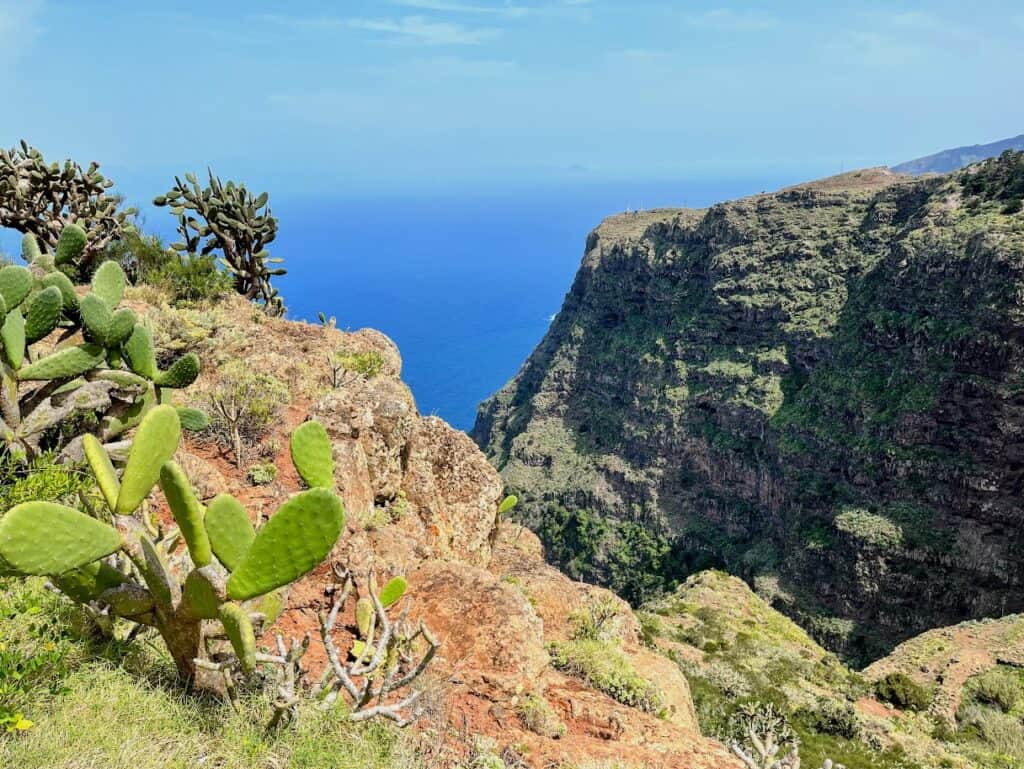
As your guide to the best hiking on La Gomera, we hope our carefully curated list of the top 13 hikes has helped you pick the best hikes for your trip.
We hope each trail rewards you with its unique tapestry of sights and experiences. We’re excited for the incredible memories you’ll create and the breathtaking views you’ll encounter.
Have a fantastic time discovering the best hiking on La Gomera – happy trails to you!
We wish you the best travels, and don’t forget to set your “Out of Office!”
🌟 Loving our content? Support the journey and buy us a coffee! ☕️
Read More About the Canary Islands
- Are the Canary Islands Expensive to Visit? ULTIMATE Guide
- The PERFECT Day Trip to La Gomera from Tenerife
Tenerife
- Is Tenerife Worth Visiting? 20 Top Reasons Why You Should
- How Many Days in Tenerife: 3 to 10 Day GREAT Tenerife Itineraries
- 32 BEST Tenerife Tours: the #1 Tour for Each Tenerife Must-Do
- 13 BEST Theme Parks in Tenerife: Ranked
- 17 BEST Hotels in Los Cristianos
- Best 7 Tenerife Whale and Dolphin Watching Tours
- 11 BEST Tenerife Day Trips and Excursions
- How to Get to Tenerife, Canary Islands: 2025 Guide
- 17 BEST Hotels in Costa Adeje
- Mount Teide Cable Car: What to Expect + Tips
- Barranco del Infierno: Guide to this Stunning Hike
- Masca Valley: Guide to the Best Hikes, Viewpoints, Tours, & More
- Teno Rural Park (Parque Rural de Teno): ULTIMATE Guide
- 17 BEST Hotels in North Tenerife
- Santa Cruz de Tenerife Old Town: ULTIMATE Guide
- Anaga Rural Park: BEST Visitors Guide
- Getting Around Tenerife: Easiest 6 Options
- 19 BEST Hotels in South Tenerife
La Palma
- Visit La Palma, Canary Islands: A Fantastic Guide
- 30 BEST Things to Do in La Palma, Canary Islands
- The BEST La Palma Itinerary for 2025
- Is La Palma Worth Visiting? 11 Top Pros and Cons
- Where to Stay in La Palma: 6 Best Areas
- How to Get to La Palma, Canary Islands
- La Palma Stargazing: 14 BEST Spots and #1 Tour
- Getting Around La Palma: Best Options for 2025
- Los Tilos La Palma – Guide to this BEAUTIFUL Forest!
- Fuencaliente de La Palma and the Salt Pans
- Volcán San Antonio Visitor Center: 2025 Guide
- Caños de Fuego Volcanic Caves Interpretation Center
La Gomera
- 25 BEST Things to Do in La Gomera
- 16 BEST La Gomera Tours and Excursions
- 15 Best Hotels in La Gomera
- Best Hiking on La Gomera: Top 13 Hikes
- La Gomera Itinerary: GREAT 2 to 5 Day Options
- Where to Stay in La Gomera: 6 Best Areas
- How to Get to La Gomera, Canary Islands
- Getting Around La Gomera: Best Options
- Visit BEAUTIFUL Hermigua, La Gomera: 2025 Guide
- Mirador de Abrante: Everything You Need to Know to Visit
Canary Islands Travel Planning Guide
🚙💨 Is it safe to rent a car in the Canary Islands?
Yes! Renting a car is a necessity in the Canary Islands if traveling between cities! If you want to go on day trips or adventures outside of the major cities, you can use public transportation, but we recommend renting a car. Discover Cars is our go-to choice for car rentals in the Canary Islands.
📲 Will my phone work in the Canary Islands?
Maybe, but it will be expensive! Depending on your provider, plans can charge you $10 per day while in Europe. To use your phone in the Canary Islands and save money, we recommend an eSim with Airalo. Airalo simplifies the steps and provides you with all the necessary data for convenient travel. There is not a lot of free WIFI in the Canary Islands, so you’ll need your phone for navigating.
🌐 Do I need a VPN when on the internet in the Canary Islands?
While abroad, we consistently prioritize our online security by using a VPN to appear as if we’re streaming from the US and protect ourselves from cybercrime. NordVPN serves as an incredibly convenient solution for both mobile phones and laptops, effortlessly ensuring our safety while browsing or streaming.
🏩 What’s the best way to book my the Canary Islands?
Our go-to for Canary Islands hotels is Booking.com. They offer the widest range of choices, and their filtering system simplifies the process of discovering the perfect accommodation for your needs.
✈️ What’s the best site to buy flights to the Canary Islands?
For finding cheap flights to the Canary Islands, we recommend Kayak. Their awesome multi-city flight search and handy price notifications help us save big, allowing us to splurge on other adventures once we arrive. Vueling and Iberia are usually our airlines of choice to get to the Canary Islands. Air Europa and Binter Canarias are the main inter-island airlines.
🚐 Should I book tours in the Canary Islands? Do the guides speak English?
We LOVE taking tours in the Canary Islands. We prefer to book our tours on Viator and GetYourGuide for easy searching, trusted reviews, and transparent pricing. We always filter for the tours that are offered in English. For free walking tours in English, we always book through GuruWalk.
🚑 Should I buy Canary Islands travel insurance?
100% YES! Spain has a publicly funded healthcare system known as the Sistema Nacional de Salud (SNS), which provides universal healthcare coverage to all Spanish citizens and legal residents in the Canary Islands! Foreigners visiting need travel insurance in case anything happens on their visit. We recommend Safety Wing – they provide general travel coverage as well as medical!
💧Can you drink the water in the Canary Islands?
The water in the Canary Islands is safe to drink. In some rural or remote areas, or in older buildings with outdated plumbing systems, water quality might not be as high. For an extra layer of protection, we recommend always using a LifeStraw Go Series to stay safe and hydrated.
🎫 Do I need a visa for the Canary Islands?
Likely Not! US passport holders don’t need Spanish visas for travel less than 3 months. If you plan to stay for more than 3 months, you will be considered a resident and must have an entrance visa.
