
Fuencaliente de La Palma and the Salt Pans: 2025 Guide

Are you heading to Fuencaliente de La Palma and the La Palma Salt Pans?
Planning a trip to La Palma can be as exciting as it is overwhelming, with its myriad of stunning sights and experiences.
If you’re wondering what to include in your La Palma itinerary, the Fuencaliente de La Palma and the mesmerizing La Palma Salt Pans should be at the top of your list.
During our month-long stay in the Canary Islands, we were captivated by the unique charm of Fuencaliente, an area that offers a blend of volcanic landscapes and traditional salt flats.
We’re here to provide helpful tips and tricks for visiting the Fuencaliente La Palma and the La Palma salt pans (Salinas de Fuencaliente).
Whether you’re a solo explorer, a family, or a couple, join us as we dive into the details, ensuring you make the most of your visit to this breathtaking part of the Canary Islands.
Where is Fuencaliente de La Palma?
Fuencaliente de La Palma is a sunny spot located on the southern tip of La Palma, one of the stunning Canary Islands in Spain.
It’s technically a municipality of La Palma, and the word Fuencaliente translates to “hot spring.”
Fuencaliente is a place of striking contrasts. Within a short distance, you can go from lush Canary pine forests to a desolate lava field.
You’ll witness grapevines miraculously thriving in the burnt, black volcanic soil and banana farms growing along the lava tongues that meet the ocean.
It’s near some seriously cool attractions like the Teneguía volcano, the youngest of the Canaries’ peaks, Volcán San Antonio, another active volcano, and the iconic Salinas de Fuencaliente, where sea salt is harvested in a picture-perfect setting.
It’s a gem on La Palma that’s just waiting to be explored!
What makes Fuencaliente de La Palma special?
Fuencaliente de La Palma is famed for its striking volcanic landscapes, including the San Antonio and Teneguía volcanoes.
We thought it had an almost surreal, moon-like terrain and the panoramic views took our breath away!
Fuencaliente is also known for its delightful wines, nurtured by the volcanic soil, offering a unique taste experience.
And let’s not forget the Salinas de Fuencaliente – ancient salt pans where sea salt is harvested (a VERY interesting process), creating a picturesque contrast against the deep blue sea.
Fuencaliente felt like a place where nature’s drama and tranquility meet, making our visit unforgettable.
Fuencaliente de La Palma Salt Pans (Salinas de Fuencaliente)
Fuencaliente de La Palma Salt Pans, known as Salinas de Fuencaliente or La Palma Salt Pans, is a striking sight in Spain’s Canary Islands.
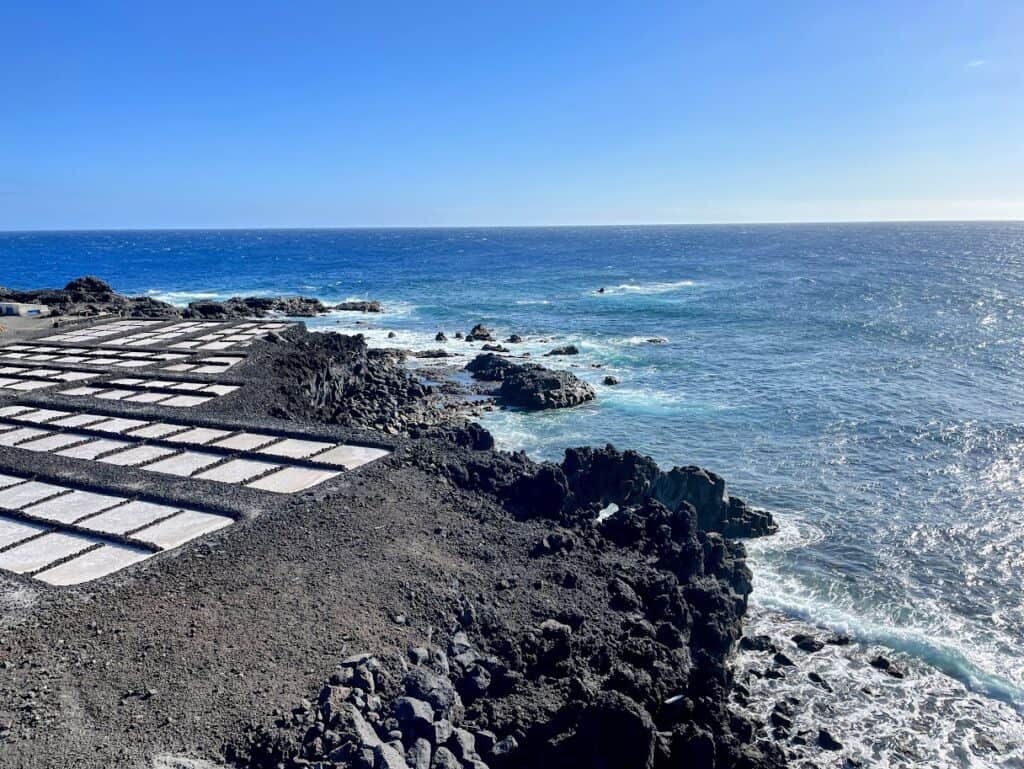
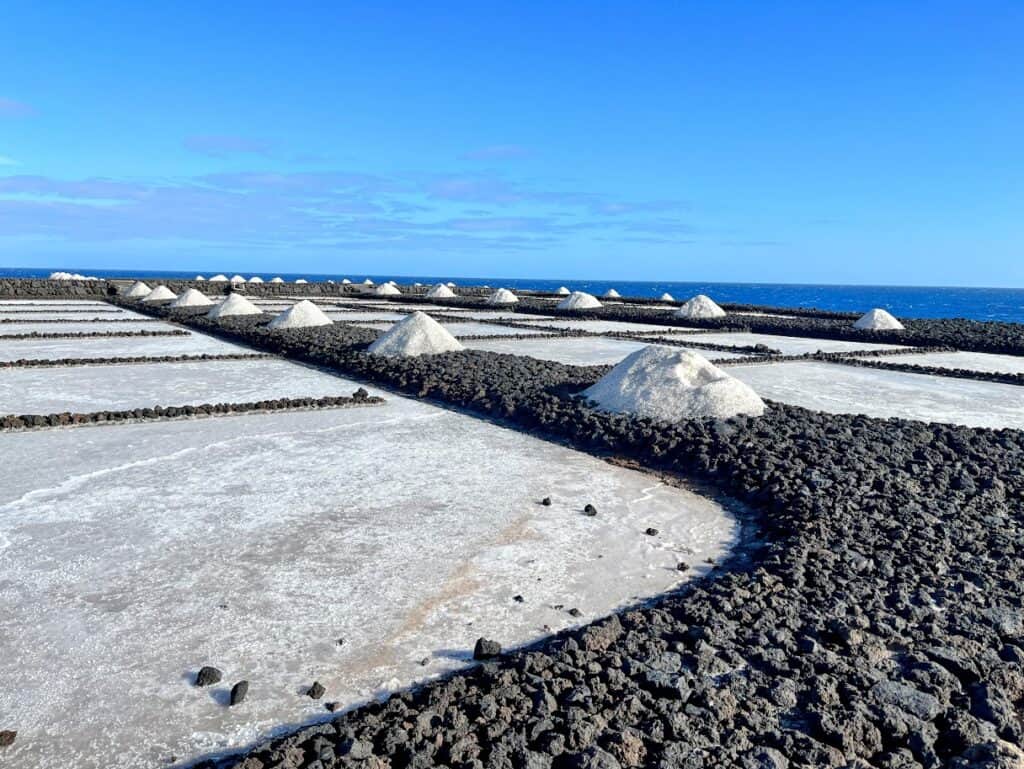
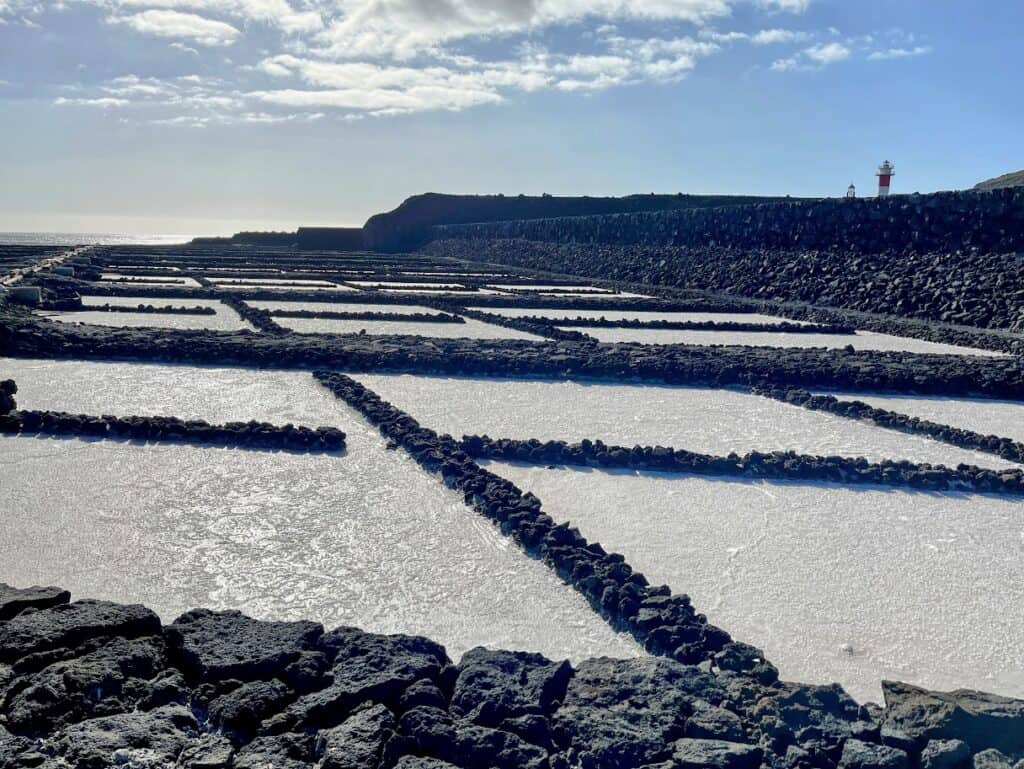
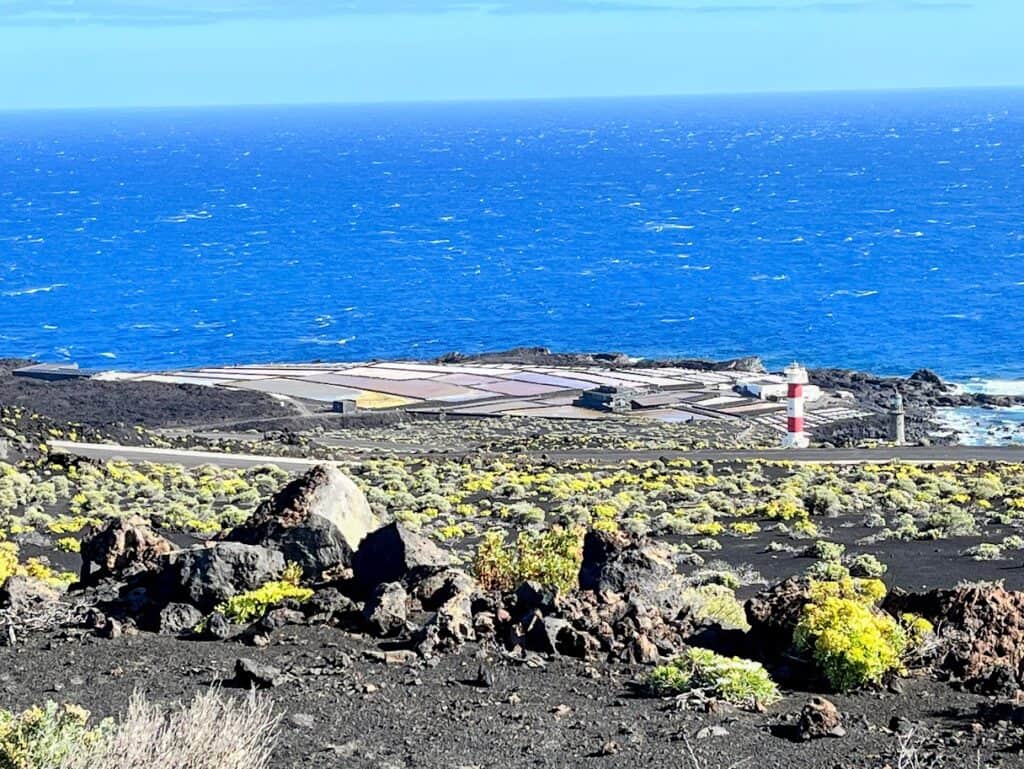
Nestled on La Palma’s southern tip, these salt pans span 35,000 square meters and dazzle with their intricate evaporation ponds, creating a vivid mosaic of pink and white hues.
The Fuencaliente Salt Pans showcases the dedication of the Hernandez family to preserve the time-honored methods of salt production since 1967. The salt pans were luckily spared by the lava from the Teneguía volcano in 1971.
This sustainable, artisanal salt-making site is a unique blend of natural beauty and traditional craftsmanship.
The major distinction between large-scale commercial salt factories, which harvest salt annually, and the smaller salt pans in Fuencaliente, lies in the frequency and method of harvesting.
In Fuencaliente, salt is collected 7 or 8 times a year between May and November through a challenging process.
Some of the small crystallization pools measure only 3 x 3 meters in size.
This results in salt with a fine texture and high quality, embodying all the traits of an organic product.
Visitors can explore the Salt Pans Information Center, savor local flavors at the onsite restaurant, enjoy breathtaking ocean views, and grab salt at the shop (it makes a FANTASTIC souvenir – our friends and family loved it!).
La Palma Salt Pans Hike
The La Palma Salt Pans Hike is a fantastic addition to your adventure list.
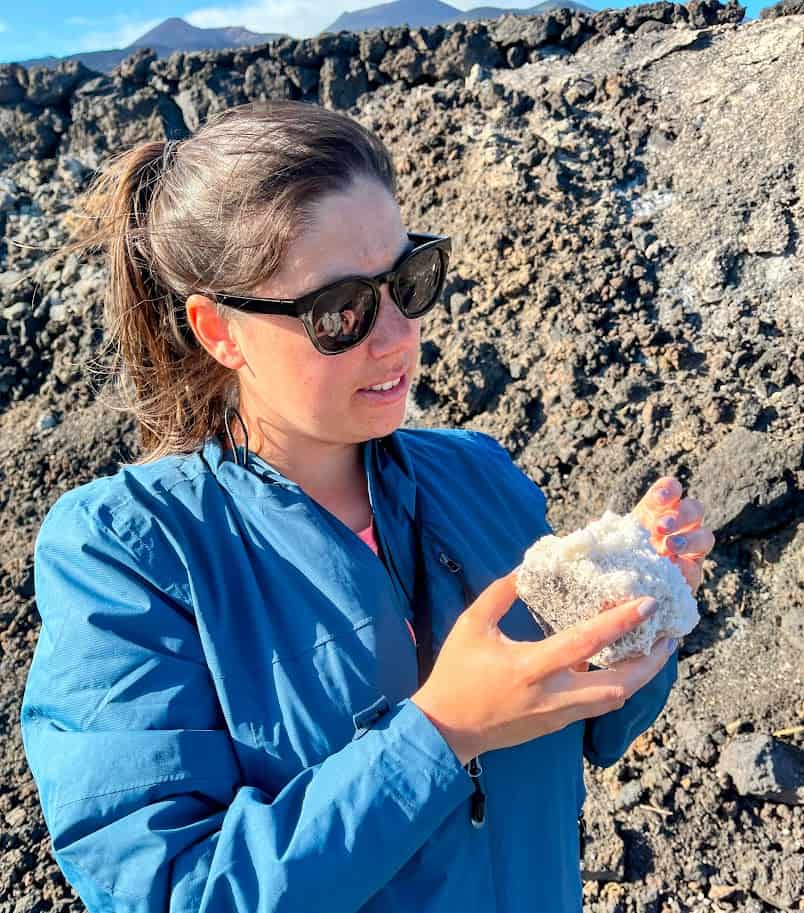
You will walk along a trail that perfectly blends rugged nature with human ingenuity.
The self-guided route takes you through the Salinas de Fuencaliente (Fuencaliente Salt Pans) at the southern tip of the island. These salt pans aren’t just functional; they’re a patchwork of art – shimmering in the sunlight with hues of pink, white, and blue.
The trail is relatively easy at around 30 minutes and is easy to follow. When we got back to the car, our watch told us we had walked 0.84 miles (1.35 kilometers) round trip, and that included the restaurant, Salt Pans of Fuencaliente Information Center, and store.
What’s cool about this hike is the contrast. On one side, you have the Atlantic Ocean, with its endless blue waves, and on the other, the stark, dramatic volcanic landscapes that La Palma is known for.
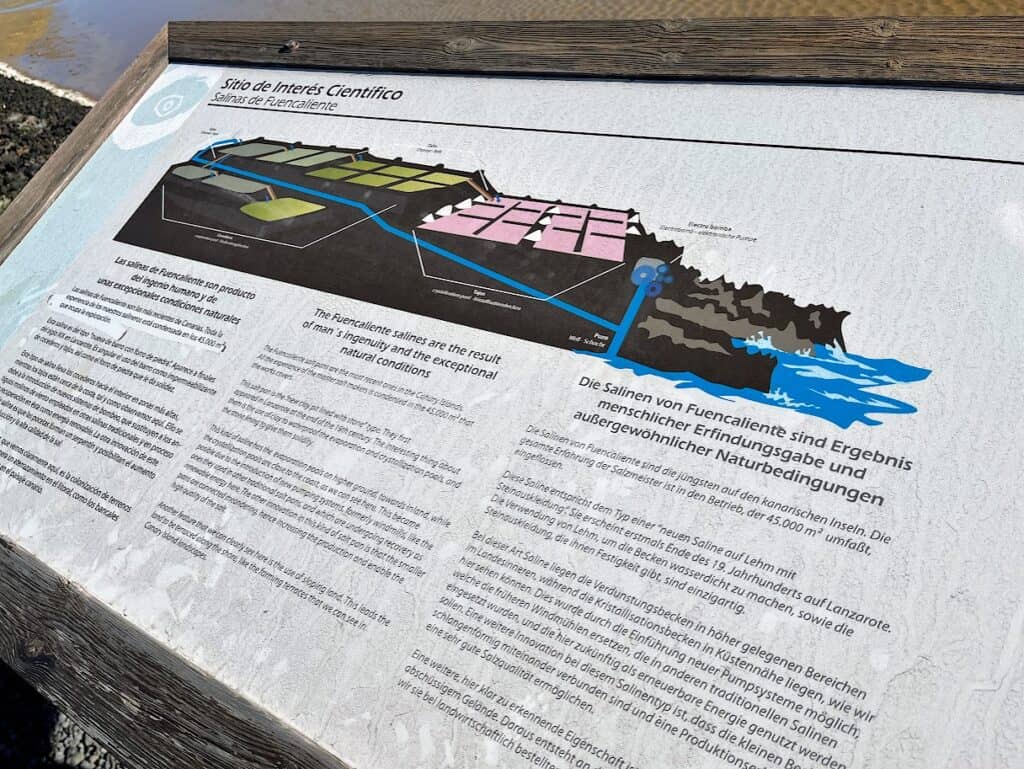
We really enjoyed that as you walked around the salt pans, there were seven interpretation stations with information about the process of salt harvesting.
GR 131 Hike
If you are looking for a harder hike, GR 131: Volcanes de Teneguía – Faro de Fuencaliente takes you from the Volcán San Antonio Visitor Center to the Salinas de Fuencaliente on a 10-mile round trip.
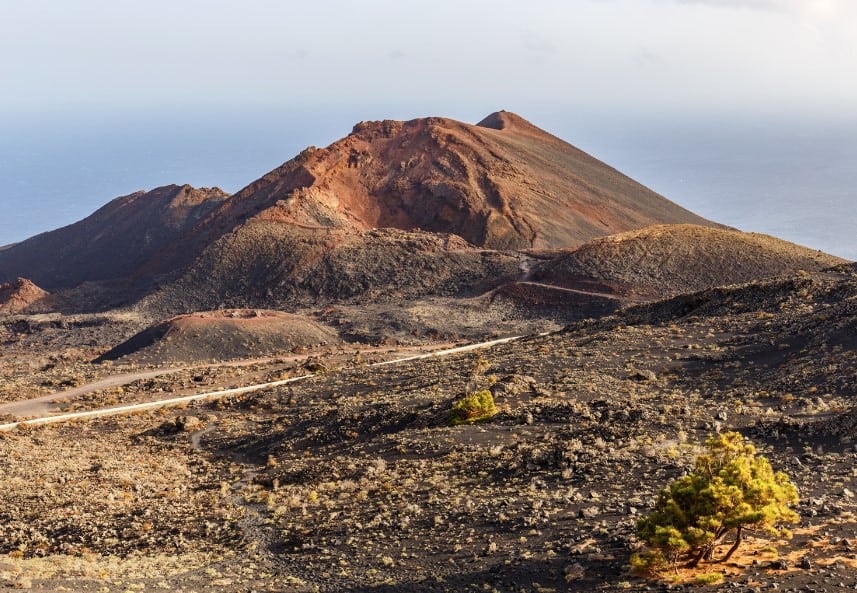
As you walk, you’ll be treated to the sight of the Teneguía volcano. It’s the youngest volcano on the island, last erupting in 1971 and interrupting the construction of the salt pans for a year.
The ground near the volcano is still warm, a subtle reminder of the island’s fiery heart.
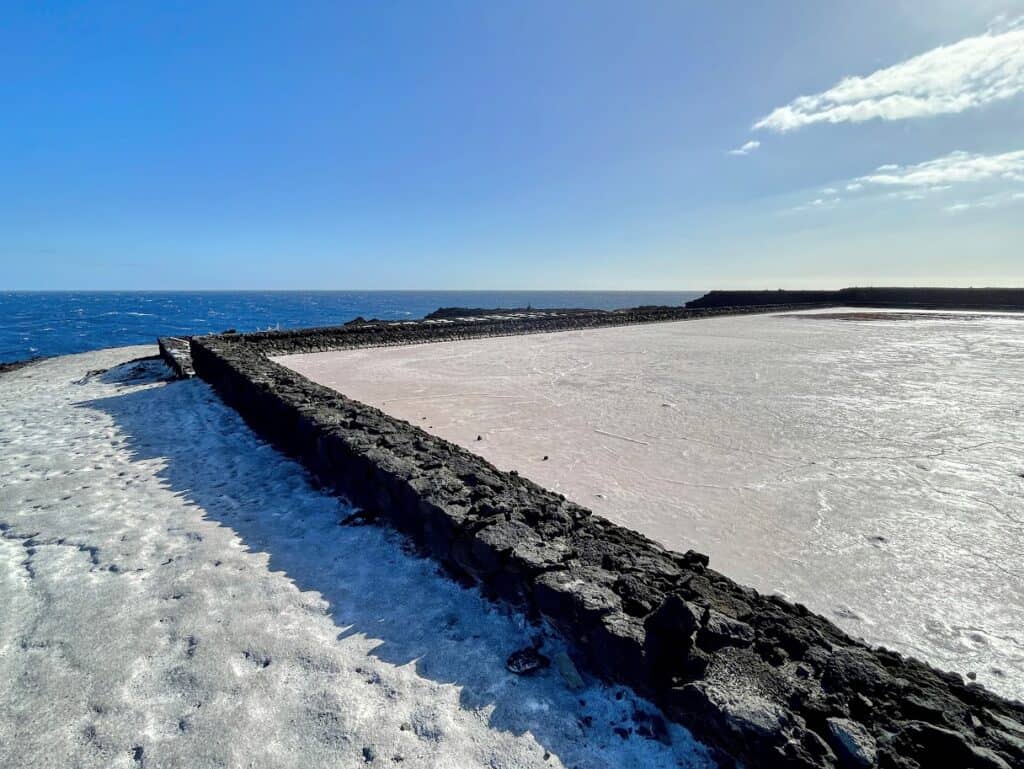
Reaching the salt pans, you’ll notice how salt is still harvested traditionally. The salt pans are separated into shallow ponds, where seawater evaporates, leaving behind salt crystals. The pink hue comes from a type of algae that thrives in the salty environment.
While you’re there, don’t miss the Salt Pans Information Center. It’s small but offers a fascinating insight into the salt-making process. And, of course, you can buy some locally harvested salt, which they call Solar Salt – a unique, tasty souvenir!
For wildlife enthusiasts, the surrounding area is a birdwatcher’s paradise as it was declared an Area of Scientific Interest in 1994. Keep an eye out for various bird species like dunlins, plovers, and sandpipers, especially during migration seasons.
Remember to bring sunscreen, water, and a hat, as the trail offers little shade. The best time to visit is either early morning or late afternoon when the sun is less intense, and the colors of the salt pans are at their most vibrant.
La Palma Salt Pans Store
The La Palma Salt Pans Store, located right at the Salinas de Fuencaliente, is a charming little highlight of the area.
When you step inside, you’ll find a variety of salt products from Sal Marina Teneguía, each with its own unique character, harvested right from the salt pans you’ve just explored.
The range of flor de sal available is impressive. You’ll find everything from the classic sea salt, rich in minerals and with a distinct taste, to flavored salts infused with local herbs or spices like rosemary, red wine, or even volcanic spices – a nod to the island’s volcanic origins.
These make for fantastic souvenirs or gifts, adding a dash of La Palma to your cooking back home.
But the store offers more than just salt. They often have a selection of local artisan products.
Think of items like handmade pottery, local crafts, and sometimes even skincare products made with natural ingredients from the island. It’s a great place to pick up authentic La Palma souvenirs that support local artisans.
The staff at the store were locals who were knowledgeable not only about the products but also about the salt-making process and the local area. They shared with us some stories that enhanced our understanding and appreciation of the salt pans.
Visiting the store is a lovely way to conclude your experience. Plus, buying from the store means you’re supporting the local economy and the preservation of this traditional salt-harvesting method.
How Long for La Palma Salt Pans
Here’s a handy guide for how long to spend there:
Step #1 – Exploring the Salt Pans:
The hike around the Salinas de Fuencaliente (Fuencaliente Salt Pans) itself is quite manageable. The trail is about 1.2 kilometers (3/4 mile) round trip.
On average, it should take you about 30 minutes to complete, depending on your pace and how often you stop to see the salt-making process up close, read the interpretive panels, and snap some photos.
Step #2 – Visit the Salt Pans Information Center:
The Salt Pans of Fuencaliente Information Center, though small, is packed with interesting information. It offers insights into the salt-making process, the history of the salt pans, and the importance of salt in La Palma’s culture.
A visit here can take about 30 minutes.
Step #3 – Shopping at the Salt Pans Store: Don’t forget to drop by the store! You’ll want to browse the various types of salt, local crafts, and artisan products.
Depending on your interest in shopping, budget around 10 minutes here.
Step #4 – Grab a bite at Restaurante El Jardín de la Sal:
Spend an hour having some great seafood along with the views. We recommend the arroz caldoso (brothy rice) with lobster.
Step #5 – Relaxing and Enjoying the Scenery:
Finally, leave some time to just relax and enjoy the scenery. The contrast between the blue ocean, the white salt pans, and the black volcanic landscape is breathtaking.
If you’re a birdwatching enthusiast, you might want to spend additional time spotting different species.
In total, a comfortable visit to the La Palma Salt Pans, including the hike, exploration, information center, restaurant, and store, took us 2.5 hours. Of course, this can vary based on your interests and pace.
La Palma Salt Pans Cost
Visiting the La Palma Salt Pans, or Salinas de Fuencaliente, is very affordable, making it a great addition to your La Palma itinerary.
- Entrance Fee: It is FREE to visit the Salinas de Fuencaliente and the Information Center.
- Guided Tours: If you opt for a guided tour, the cost will be slightly higher. These tours can offer additional insights and information about the salt pans and the surrounding area.
- Parking: There is free parking available near the salt pans, which is convenient if you’re driving.
- Shopping at the Salt Pans Store: If you plan to buy salt or other local products at the store, this would be an additional cost. The salts and artisan products are typically reasonably priced and make for great souvenirs.
Fuencaliente de La Palma Salt Pans Restaurant
There’s a delightful treat waiting for you at the Fuencaliente Salt Pans in La Palma – the Restaurante El Jardín de la Sal. This restaurant is a gem!
The restaurant specializes in local Canary Islands cuisine, with a strong emphasis on fresh seafood – quite fitting given its coastal location. The dishes often incorporate the very salt harvested from the Salinas de Fuencaliente, adding a unique local flavor.
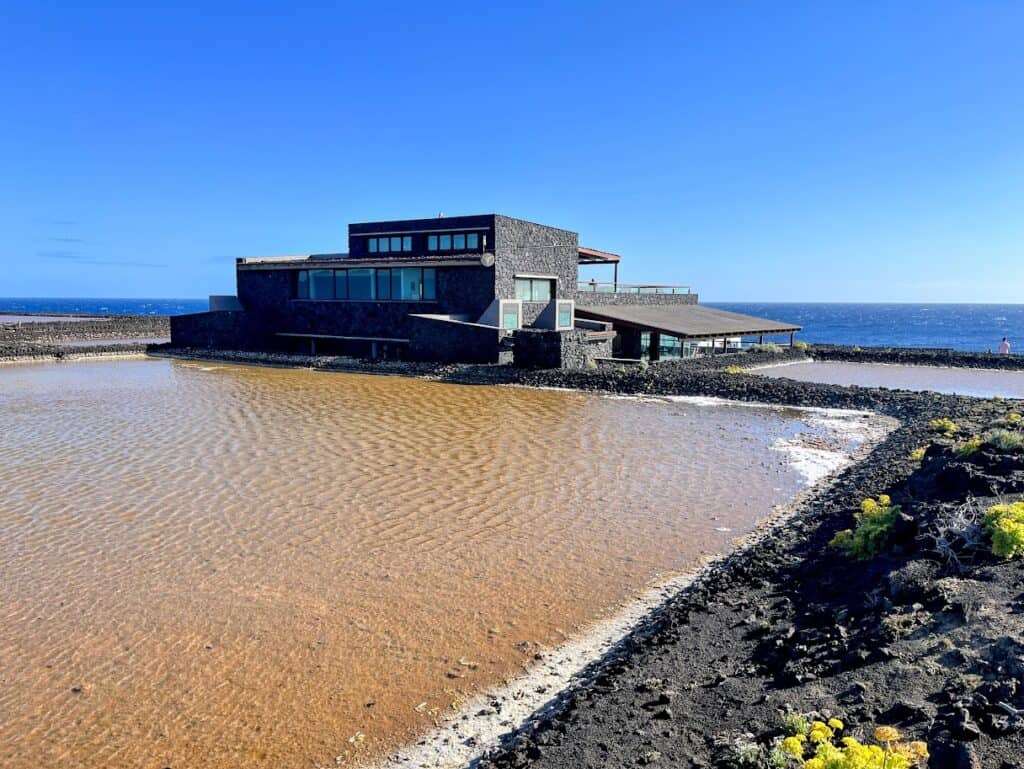
With a view of the Atlantic Ocean on one side and the striking salt pans on the other, the setting is perfectly tranquil and scenic for a meal.
It has received a MICHELIN Bib Gourmand and is open Thursday to Monday from 1 p.m. to 6 p.m.
It’s a good idea to make a reservation ahead of your visit, especially during peak tourist seasons or on weekends, as the restaurant can be quite popular due to its unique location and excellent food.
We ate here during sunset and it was amazing! Enjoy your meal and the stunning surroundings!
Fuencaliente de La Palma Lighthouse
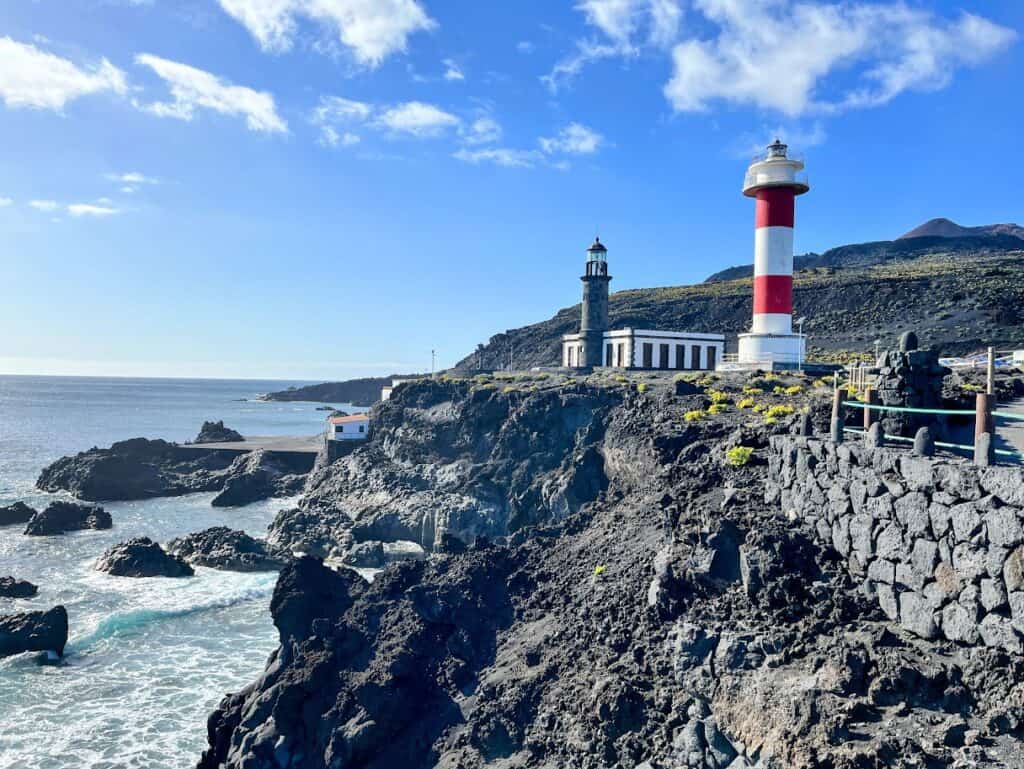
Fuencaliente de La Palma Lighthouse, located in the southern part of the beautiful island of La Palma in the Canary Islands, is a spot that’s rich in history and offers breathtaking views.
Here are some facts, history, and tips for visiting:
Historical Background
Original Lighthouse:
The original Fuencaliente Lighthouse, also known as the Faro de Fuencaliente, was first lit in 1902 and is made from Arucas stone. It served as a guiding light for ships navigating the waters around the southern tip of La Palma.
Eruption of Teneguía Volcano:
In 1971, the eruption of the Teneguía volcano, the youngest volcano on the island, severely damaged the old lighthouse. This Strombolian eruption was significant as it was one of the most recent volcanic activities in the Canary Islands.
The New Lighthouse:
Following the damage, a new lighthouse, Faro de Fuencaliente Nuevo, was constructed nearby and began operating in 1985. This newer structure stands alongside the old one, offering a unique contrast between old and new architectural styles.
Transvulcania Race:
The lighthouses are the starting point for the annual mountain ultramarathon that began in 2009.

Visiting the Lighthouse
Location: The lighthouse is located near the southernmost point of La Palma, right next to the Salinas de Fuencaliente.
Access: The lighthouse is easily accessible by car, with parking available next to it.
Views: Visitors are often captivated by the panoramic views of the sea and the surrounding volcanic landscape. It’s a fantastic spot for photography, especially during sunrise or sunset.
Maritime Museum: The old lighthouse now houses a small maritime museum. This museum offers insights into the history of the lighthouse, the local marine life, and the importance of navigation in the Canary Islands.
Wildlife: The area around the lighthouse is also known for its rich biodiversity, especially birdlife. It’s a great spot for birdwatching, particularly during migration as there are between 30 to 50 different bird species every year.
Best Time to Visit: The area is usually less crowded in the morning or late afternoon, making these ideal times for a visit. The lighting during these times (especially sunset) is also fantastic for photography.
Other Fun Things to Do in Fuencaliente La Palma
There are a lot of other fun activities to do in Fuencaliente in La Palma:
SSI Try Scuba Program
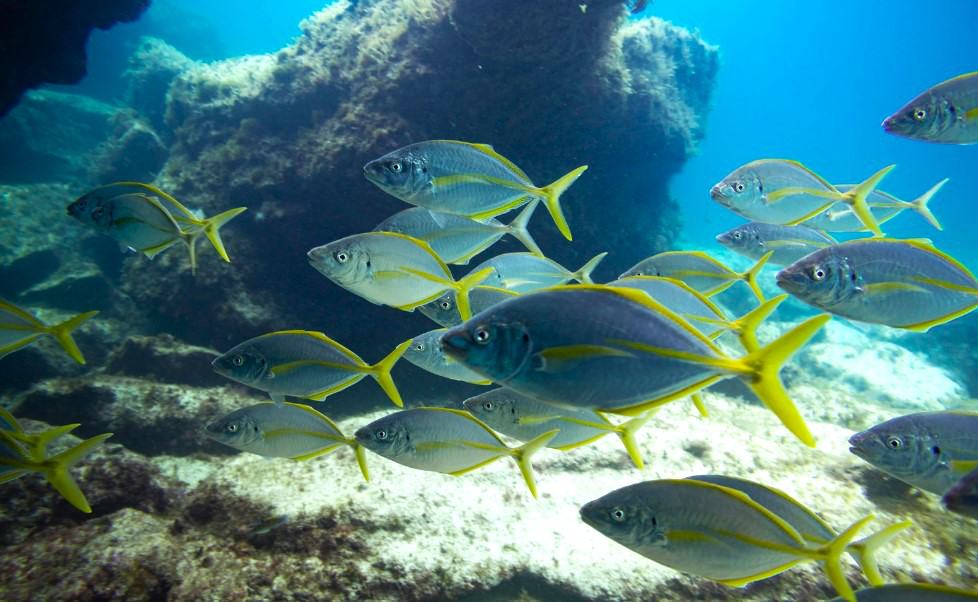
This 3-hour diving tour offers a hands-on introduction to scuba diving with the SSI Try Scuba program, where you’ll first practice with your equipment on land before taking the plunge into a sheltered bay.
It’s a great way to get comfortable with the underwater experience while getting up close with La Palma’s diverse marine life, including parrotfish and octopi.
The tour is suitable for all ages, making it an exciting, educational activity for the whole family to enjoy the underwater wonders together.
🐠 Picking a reputable company is so important! Below is the company we trust to give you the best scuba diving experience in La Palma:
Punkfish Diving La Palma 🐟
Visit Bodegas Teneguía Winery with Wine Tasting
Embarking on a tour of Bodegas Teneguía isn’t just a sip of wine; it’s a full-on dive into the heart of La Palma’s winemaking tradition.
This award-winning winery in the Canary Islands is a great place to learn about the Canary Island wine heritage which spans over 70 years.
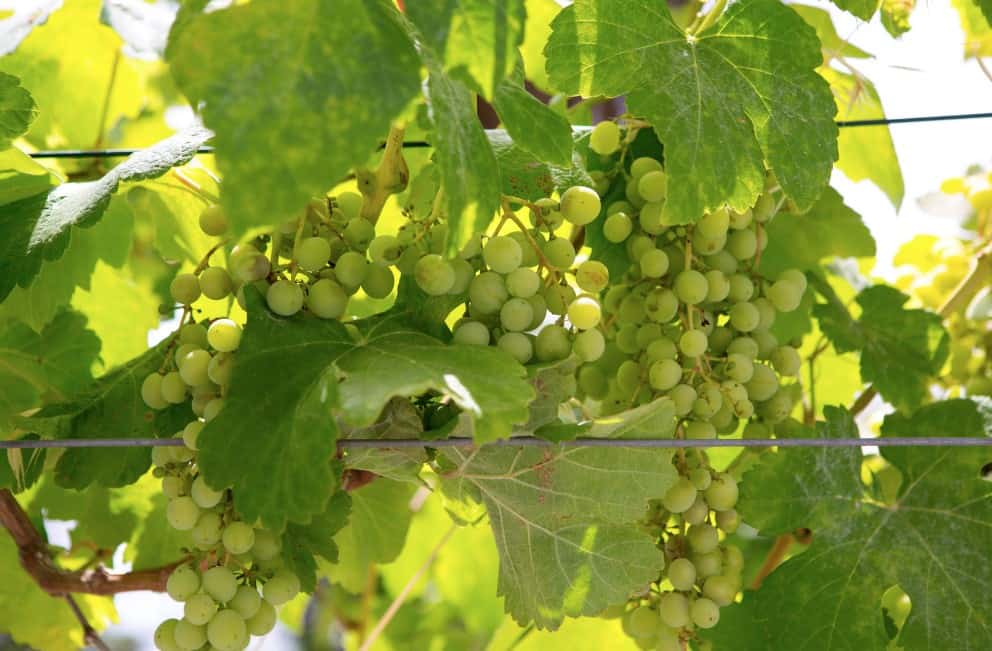
From the moment the Malvasía grapes are received and de-stemmed to the final stages of bottling, you’ll witness the perfect blend of age-old methods and modern technology at play.
Wrap up your visit with a wine tasting, where you’ll get to indulge in the winery’s diverse range, making it a must-do for anyone keen on understanding and tasting the essence of La Palma’s viticulture.
Stargazing Tour with Wine
Did you know that La Palma is one of the very best places to see the stars in the WORLD? You really can’t go to La Palma without doing some stargazing.
On this La Palma stargazing tour, you’ll have the unique opportunity to savor a serene sunset with a glass of wine in hand, followed by a guided stargazing experience through a top-notch telescope at Roque de Los Muchachos.
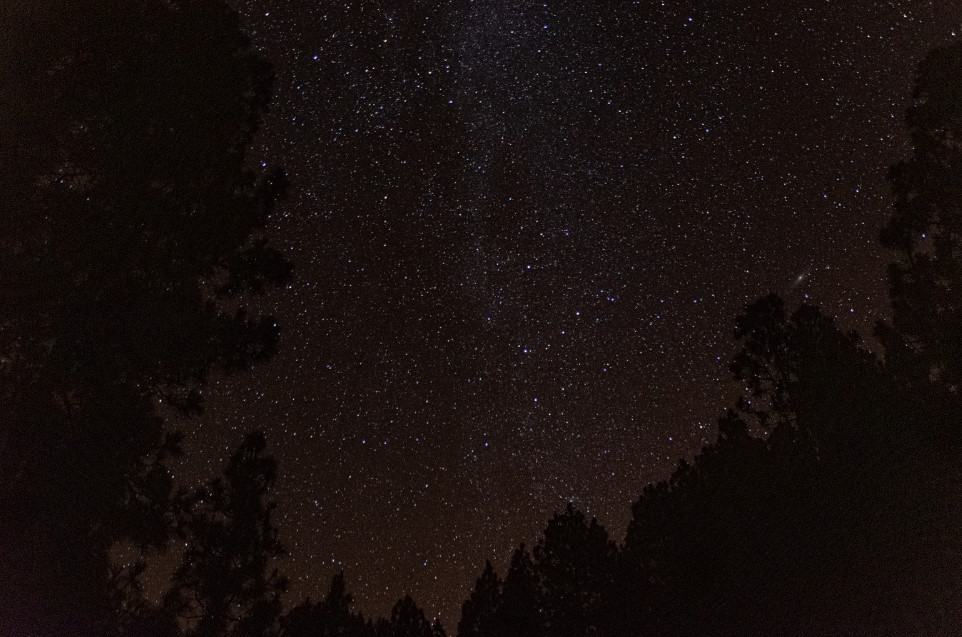
At 2,426 meters above sea level, you’ll gain insights into the cosmos, the sophisticated telescopes, and why this high-altitude haven is a chosen spot for astronomers.
We loved this tour for its convenience and security! Navigating the winding roads at night up to the summit is not easy, and the expertise of the guide made for a secure and enlightening experience under the stars.
Guided Trekking Tour to El Roque de los Muchachos
Join a small-group hiking tour to El Roque de los Muchachos and conquer La Palma’s highest peak with an expert guide.
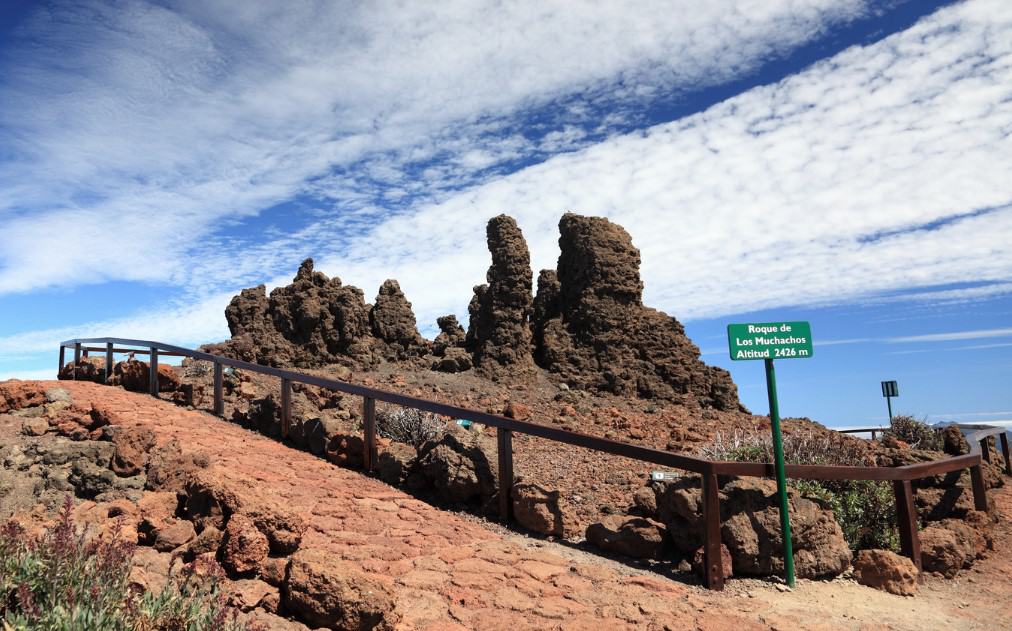
The hike offers a blend of natural splendor and cultural depth, taking you along ancient commercial routes and close to the impressive telescopes of the island’s famed observatory.
How to Get to Fuencaliente de La Palma
Getting to Fuencaliente in La Palma is a key part of planning your adventure, and you have a few options depending on your preferences and style of travel.
Whether you’re driving yourself or relying on public transportation, here’s a guide to help you navigate your way to this beautiful southern part of the island.
By Rental Car:
- The Most Flexible Option: Renting a car gives you the flexibility to explore Fuencaliente and the surrounding areas at your own pace. The drive is scenic and offers some stunning views.
- The Route: Fuencaliente is located in the southern part of La Palma. If you’re coming from the capital, Santa Cruz de La Palma, it’s about a 40 to 50-minute drive via LP-2. The roads are well-maintained, but they can be winding and steep in places, typical of island terrain.
- Parking: There’s parking available near major attractions like the Fuencaliente Lighthouse and the Salt Pans.
By Public Transportation:
- Buses (Guaguas): The island has a reliable bus service, known locally as guaguas. You can catch a bus from major towns to Fuencaliente. The service is affordable, but it’s less frequent than you might be used to, especially on weekends or holidays.
- Bus Routes: Check the current bus schedules as they can change, but you typically take Bus line 200 or 201 from Santa Cruz de La Palma to Fuencaliente or Bus line 210 from Los Llanos. Then you will take Bus 23 from Fuencaliente to El Faro (the lighthouse).
By Taxi:
- Availability: Taxis are available on the island and can be a convenient way to reach Fuencaliente, especially if you’re not on a tight budget.
- Booking a Taxi: It’s advisable to book in advance, especially during peak tourist seasons. Your hotel or accommodation can usually assist with this.
Ride-Sharing Services (Uber or Similar):
- Limited Availability: Uber and Lyft are not available on La Palma. The island relies more on traditional taxis and bus services.
Where to Stay in Fuencaliente De La Palma
Fuencaliente De La Palma can be a great place to stay! You have great access to some of the top things to do in La Palma.
Here are our top picks for places to stay in Fuencaliente De La Palma:
💎 Luxury: Casa 1700 Los Quemados
- Casa 1700 Los Quemados is a charming vacation home in Los Quemados, just a 5-minute journey from the Volcán San Antonio Visitor Center, offering both the convenience of free WiFi and private parking.
- This cozy retreat features a terrace with stunning sea views for outdoor dining, a TV, a well-equipped kitchen with modern appliances, two comfortable bedrooms, two bathrooms, and the delightful bonus of fresh lemons, papayas, and mangoes.
⭐️Moderate: Casa Marroquina
- Casa Marroquina in Las Indias offers a charming stay with its garden and mountain-view accommodation that includes a patio, outdoor fireplace, complimentary WiFi, and private parking.
- The chalet has a terrace with sea views that are perfect for enjoying breakfast or sunset dinners, two bedrooms, a cozy living room with a satellite flat-screen TV, a well-equipped kitchen, air conditioning, a dressing room, and barbecue facilities.
💰Budget: Apartamentos Los Volcanes
- Apartamentos Los Volcanes offers cozy apartment units complete with essentials like a wardrobe, flat-screen TV, private bathroom, bed linen, and towels, along with a fully equipped kitchen that includes a fridge, kitchenware, and a coffee machine.
- Guests can enjoy free WiFi, the convenience of a supermarket next door, and the luxury of a balcony with a stunning view, plus the benefit of easy free parking right next to the accommodation.
In Conclusion: Fuencaliente de La Palma Salt Pans
As you set off for your journey to La Palma and its enchanting corners, especially Fuencaliente de La Palma and the La Palma Salt Pans, we hope our guide has been a beacon in your planning.
May your trip be filled with unforgettable experiences and awe-inspiring moments. Safe travels and enjoy every bit of your adventure in Fuencaliente!
We wish you the best travels, and don’t forget to set your “Out of Office!”
🌟 Loving our content? Support the journey and buy us a coffee! ☕️
Read More About the Canary Islands
- Are the Canary Islands Expensive to Visit? ULTIMATE Guide
- The PERFECT Day Trip to La Gomera from Tenerife
Tenerife
- Is Tenerife Worth Visiting? 20 Top Reasons Why You Should
- How Many Days in Tenerife: 3 to 10 Day GREAT Tenerife Itineraries
- 32 BEST Tenerife Tours: the #1 Tour for Each Tenerife Must-Do
- 13 BEST Theme Parks in Tenerife: Ranked
- 17 BEST Hotels in Los Cristianos
- Best 7 Tenerife Whale and Dolphin Watching Tours
- 11 BEST Tenerife Day Trips and Excursions
- How to Get to Tenerife, Canary Islands: 2025 Guide
- 17 BEST Hotels in Costa Adeje
- Mount Teide Cable Car: What to Expect + Tips
- Barranco del Infierno: Guide to this Stunning Hike
- Masca Valley: Guide to the Best Hikes, Viewpoints, Tours, & More
- Teno Rural Park (Parque Rural de Teno): ULTIMATE Guide
- 17 BEST Hotels in North Tenerife
- Santa Cruz de Tenerife Old Town: ULTIMATE Guide
- Anaga Rural Park: BEST Visitors Guide
- Getting Around Tenerife: Easiest 6 Options
- 19 BEST Hotels in South Tenerife
La Palma
- Visit La Palma, Canary Islands: A Fantastic Guide
- 30 BEST Things to Do in La Palma, Canary Islands
- The BEST La Palma Itinerary for 2025
- Is La Palma Worth Visiting? 11 Top Pros and Cons
- Where to Stay in La Palma: 6 Best Areas
- How to Get to La Palma, Canary Islands
- La Palma Stargazing: 14 BEST Spots and #1 Tour
- Getting Around La Palma: Best Options for 2025
- Los Tilos La Palma – Guide to this BEAUTIFUL Forest!
- Fuencaliente de La Palma and the Salt Pans
- Volcán San Antonio Visitor Center: 2025 Guide
- Caños de Fuego Volcanic Caves Interpretation Center
La Gomera
- 25 BEST Things to Do in La Gomera
- 16 BEST La Gomera Tours and Excursions
- 15 Best Hotels in La Gomera
- Best Hiking on La Gomera: Top 13 Hikes
- La Gomera Itinerary: GREAT 2 to 5 Day Options
- Where to Stay in La Gomera: 6 Best Areas
- How to Get to La Gomera, Canary Islands
- Getting Around La Gomera: Best Options
- Visit BEAUTIFUL Hermigua, La Gomera: 2025 Guide
- Mirador de Abrante: Everything You Need to Know to Visit
Canary Islands Travel Planning Guide
🚙💨 Is it safe to rent a car in the Canary Islands?
Yes! Renting a car is a necessity in the Canary Islands if traveling between cities! If you want to go on day trips or adventures outside of the major cities, you can use public transportation, but we recommend renting a car. Discover Cars is our go-to choice for car rentals in the Canary Islands.
📲 Will my phone work in the Canary Islands?
Maybe, but it will be expensive! Depending on your provider, plans can charge you $10 per day while in Europe. To use your phone in the Canary Islands and save money, we recommend an eSim with Airalo. Airalo simplifies the steps and provides you with all the necessary data for convenient travel. There is not a lot of free WIFI in the Canary Islands, so you’ll need your phone for navigating.
🌐 Do I need a VPN when on the internet in the Canary Islands?
While abroad, we consistently prioritize our online security by using a VPN to appear as if we’re streaming from the US and protect ourselves from cybercrime. NordVPN serves as an incredibly convenient solution for both mobile phones and laptops, effortlessly ensuring our safety while browsing or streaming.
🏩 What’s the best way to book my the Canary Islands?
Our go-to for Canary Islands hotels is Booking.com. They offer the widest range of choices, and their filtering system simplifies the process of discovering the perfect accommodation for your needs.
✈️ What’s the best site to buy flights to the Canary Islands?
For finding cheap flights to the Canary Islands, we recommend Kayak. Their awesome multi-city flight search and handy price notifications help us save big, allowing us to splurge on other adventures once we arrive. Vueling and Iberia are usually our airlines of choice to get to the Canary Islands. Air Europa and Binter Canarias are the main inter-island airlines.
🚐 Should I book tours in the Canary Islands? Do the guides speak English?
We LOVE taking tours in the Canary Islands. We prefer to book our tours on Viator and GetYourGuide for easy searching, trusted reviews, and transparent pricing. We always filter for the tours that are offered in English. For free walking tours in English, we always book through GuruWalk.
🚑 Should I buy Canary Islands travel insurance?
100% YES! Spain has a publicly funded healthcare system known as the Sistema Nacional de Salud (SNS), which provides universal healthcare coverage to all Spanish citizens and legal residents in the Canary Islands! Foreigners visiting need travel insurance in case anything happens on their visit. We recommend Safety Wing – they provide general travel coverage as well as medical!
💧Can you drink the water in the Canary Islands?
The water in the Canary Islands is safe to drink. In some rural or remote areas, or in older buildings with outdated plumbing systems, water quality might not be as high. For an extra layer of protection, we recommend always using a LifeStraw Go Series to stay safe and hydrated.
🎫 Do I need a visa for the Canary Islands?
Likely Not! US passport holders don’t need Spanish visas for travel less than 3 months. If you plan to stay for more than 3 months, you will be considered a resident and must have an entrance visa.
